
Emergency Response for NJ, PA & DE Homes & Businesses
Fast Water Mitigation in New Jersey – Stop Damage Before It Spreads
Certified Mold Testing & Mold Remediation Experts
Fast emergency response across NJ, PA & DE
20+ years certified, 330+ 5-star reviews
4.9

Based on 330+ Reviews
5.0
Based on 20+ Reviews
Accredited
A+ Rating

Get Your Free Consultation






See What Our New Jersey Customers Are Saying
Trustindex verifies that the original source of the review is Google.Posted on
- 5.0 rating on Google
- Serving New Jersey with Honesty & Integrity
- Licensed, Insured and Bonded
- 5.0 rating on Google
- Serving New Jersey with Honesty & Integrity
- Licensed, Insured and Bonded
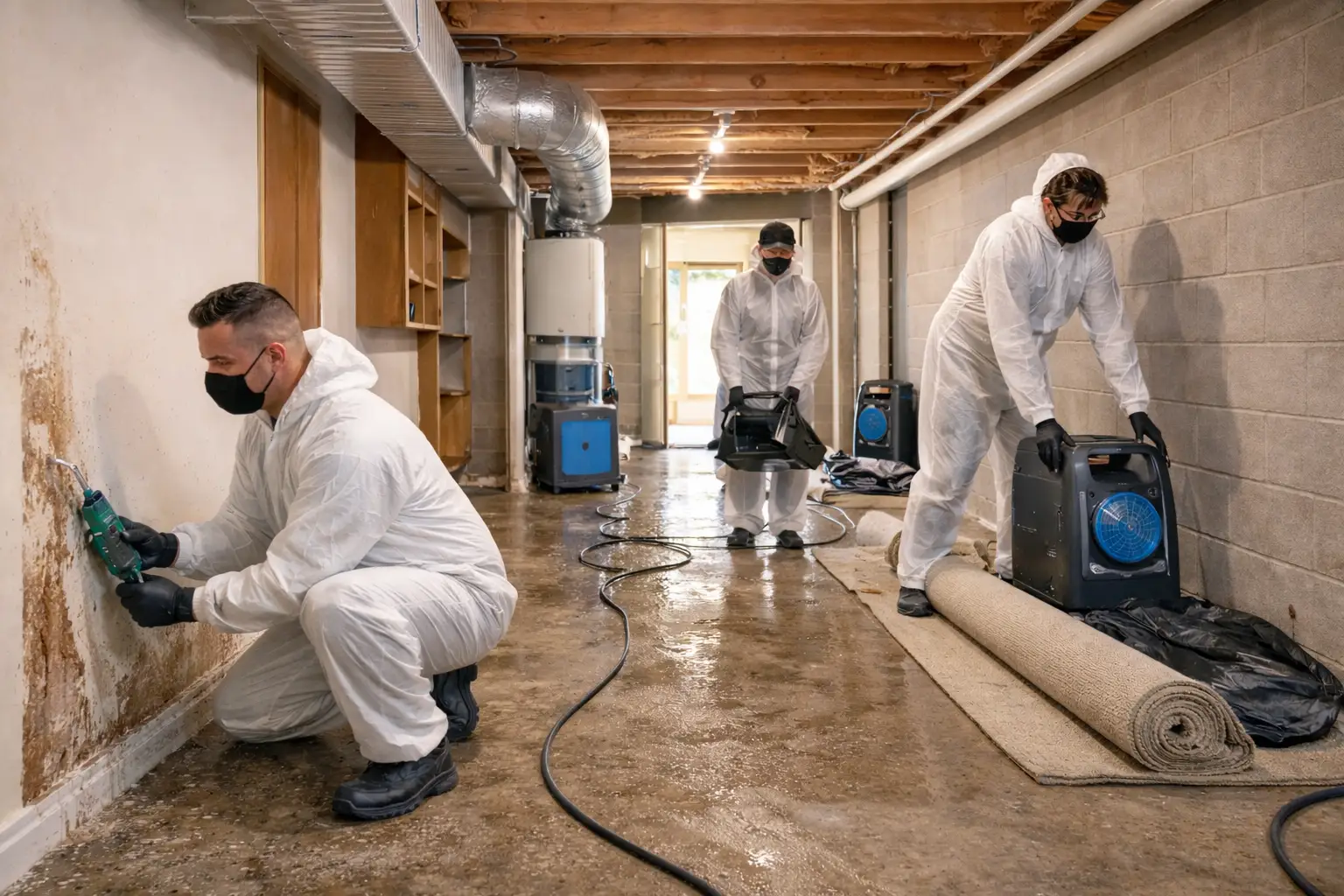
What is water mitigation in New Jersey?
- Water removal with truck-mount pumps
- Air movers and dehumidifiers for drying
- Moisture checks every 24–48 hours
Get Your Free Consultation
Water Mitigation Stops Damage Within Hours of a Flood
Burst pipes, appliance leaks, and storm flooding hit New Jersey basements without warning. You need a team that responds fast. We arrive with truck-mount equipment and start removing standing water within one hour. Our industrial pumps pull 95% of visible water from carpet, tile, and concrete. We do this before water soaks deeper into your floors and walls.
Many homes in the Ramblewood area have finished basements. They have carpet, drywall, and HVAC systems. When water sits for more than a few hours, these materials absorb moisture. They start to break down. Drywall turns soft. Carpet padding holds bacteria. Wood studs swell and warp. Fast mitigation saves you from replacing these systems.
We place air movers along baseboards and inside closets. This creates airflow across wet surfaces. Dehumidifiers pull moisture from the air. Drying happens faster this way. Within the first few hours, you’ll see water levels drop. Humidity readings fall too. Speed makes the difference between cleanup and full water damage restoration.
Emergency Water Extraction Protects Floors and Walls in New Jersey Homes
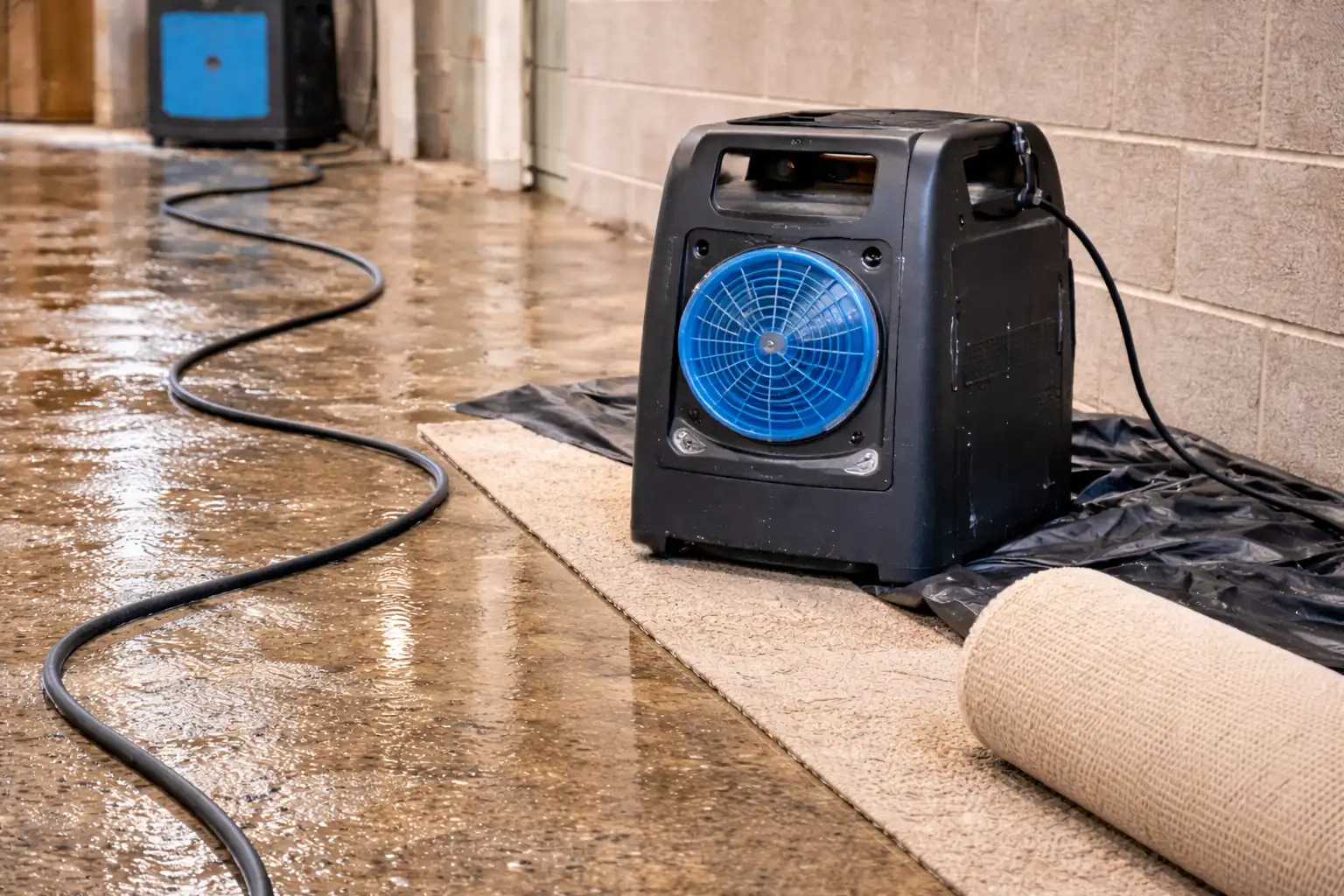
Toilet overflows, water heater failures, and supply line breaks saturate floors fast. Hardwood planks absorb water. Tile grout holds moisture underneath. Subflooring swells and separates from joists. You have a short window to stop permanent damage. This must happen before warping occurs.
Our truck-mount extraction units pull water from carpet padding and between floorboards. We use high-powered suction. We lift area rugs and pull back wet carpet. This exposes the padding beneath. If water traveled under baseboards, we extract from wall cavities. We do this before drywall soaks up moisture from the floor. This approach removes hidden water you can’t see with a shop vac.
New Jersey’s humid summers speed up mold growth. Once water sits for 24 hours, spores begin growing on damp drywall and insulation. Extraction within the first day keeps your home from becoming a mold problem. We test moisture levels in walls and floors after extraction. This confirms all standing water is gone before we start drying.
Structural Drying Prevents Mold After Basement Flooding
Sump pump failures and heavy rain flood basements in Lenola and Hartford neighborhoods every year. Burlington County’s All Hazards Mitigation Plan identifies flood risks throughout the region. It shows why immediate response matters. Our flood cleanup services handle these emergencies with specialized equipment. This equipment is designed for removing large amounts of water. Even after you remove standing water, moisture hides inside wall cavities. It hides beneath concrete slabs and behind finished surfaces. Without proper drying equipment, dampness stays for weeks. Mold takes hold.
We use commercial dehumidifiers and air movers. These create airflow inside wall cavities and around structural parts. Studs, insulation, and concrete foundations need to reach safe moisture levels. That’s below 15%. This process takes 3–5 days. It depends on how much water entered the space. It also depends on how long water sat before mitigation started.
Block-foundation basements are common in older New Jersey homes. They hold moisture longer than poured concrete. Water seeps into porous cinder blocks. It stays trapped without forced airflow. We use thermal imaging cameras to confirm hidden dampness. We do this before we pull equipment. You get documentation showing every wall cavity tested dry. This means mold won’t appear in two months.
Insurance Claims Require Immediate Mitigation Documentation
Filing a claim for sudden water damage means you need proof. You need proof of what happened and when. Insurance adjusters ask for photos, moisture readings, and detailed reports. They need these before they approve coverage for emergency services. We document everything from the moment we arrive.
Our techs photograph damage to floors, walls, and belongings before extraction starts. We log moisture readings in multiple rooms. We use calibrated meters. You receive a detailed report. It shows the source of water, affected materials, and equipment placed for drying. This documentation supports your claim. It shows you took immediate action to prevent more damage.
Many New Jersey insurers require mitigation to start within 48 hours of the water event. If you wait too long, they may deny coverage. This includes coverage for mold or structural rot that develops later. We work directly with adjusters. We provide the timeline and evidence they need. Sudden, accidental events like burst pipes and appliance leaks are usually covered. Gradual leaks or flooding from outside sources may fall under different policy terms.
Moisture Meters and Thermal Cameras Find Hidden Water in Walls
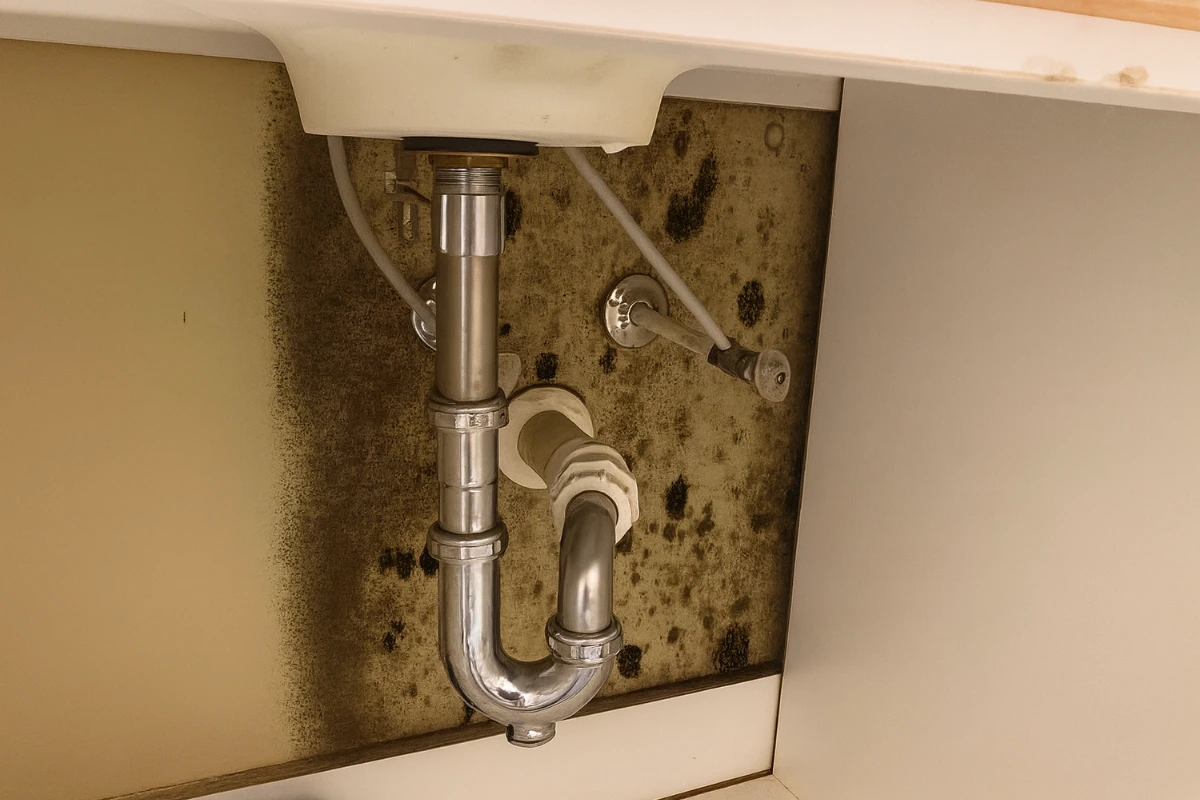
Ceiling stains, buckled floors, and musty odors tell you water is present. But they don’t tell you where it traveled. Water follows the easiest path through wall cavities, under flooring, and into crawl spaces. You can’t fix what you can’t find.
We use tools to map wet zones without demolition. Moisture meters measure water content in drywall, wood, and concrete. Thermal imaging cameras show temperature differences. These indicate dampness behind tile, under vinyl, and inside finished walls. You get a clear picture of where water spreads. We do this before we cut into anything.
Ranch-style homes in Countryside and Larchmont often hide slow leaks in crawl spaces. These are beneath the main floor. By the time you see damage upstairs, floor joists and beams may already be saturated. Early detection with moisture mapping prevents expensive repairs. We locate the source, extract hidden water, and dry affected areas. We do this before rot sets in.
Get Your Free Consultation
- 5.0 rating on Google
- Serving New Jersey with Honesty & Integrity
- Licensed, Insured and Bonded
- 5.0 rating on Google
- Serving New Jersey with Honesty & Integrity
- Licensed, Insured and Bonded
Frequently Asked Questions
How fast can water mitigation start in New Jersey after I call?
Most teams arrive within 60–90 minutes for emergency floods. Extraction begins immediately.
Does homeowners insurance cover water mitigation costs?
Sudden, accidental water damage like burst pipes and appliance leaks is usually covered. Gradual leaks or flood policy events may not be.
How long does it take to dry out a flooded basement in New Jersey?
Drying runs 3–5 days on average. It depends on humidity, airflow, and material type.
Will water mitigation remove all the moisture from my walls?
Yes. We monitor levels daily until studs, drywall, and insulation test below 15% moisture content.
Do I need to leave my home during water mitigation?
What's the difference between water mitigation and full restoration?
Mitigation stops active damage through extraction and drying. Restoration rebuilds with new drywall, flooring, and paint.
Your Local Water Mitigation Experts in New Jersey
Serving New Jersey homeowners and businesses since 2003 with complete environmental services.
Proudly serving Ramblewood, Larchmont, Hartford, Birchfield, and all of New Jersey – plus Moorestown, Marlton, and Cherry Hill.