
Emergency Response for NJ, PA & DE Homes & Businesses
Mycotoxin Testing in New Jersey - Protect Your Home from Hidden Mold Toxins
Certified Mold Testing & Mold Remediation Experts
Fast emergency response across NJ, PA & DE
20+ years certified, 330+ 5-star reviews
4.9

Based on 330+ Reviews
5.0
Based on 20+ Reviews
Accredited
A+ Rating

Get Your Free Consultation




See What Our New Jersey Customers Are Saying
Trustindex verifies that the original source of the review is Google.Posted on
- 5.0 rating on Google
- Serving New Jersey with Honesty & Integrity
- Licensed, Insured and Bonded
- 5.0 rating on Google
- Serving New Jersey with Honesty & Integrity
- Licensed, Insured and Bonded
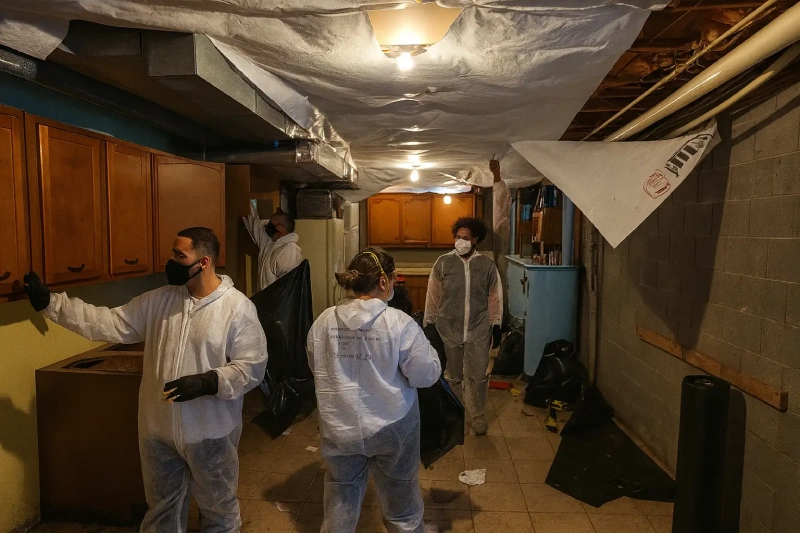
In New Jersey, mycotoxin testing identifies harmful mold toxins in your home after water damage or suspected mold growth. We explain how testing works, when you need it, and what to expect during the process. Licensed technicians serve homes across the state with same-week appointments available. As a professional water damage restoration service, we help homeowners verify air quality and plan safe remediation.
How do you get mycotoxin testing done in New Jersey?
- Contact a licensed water damage restoration service in New Jersey to schedule an inspection.
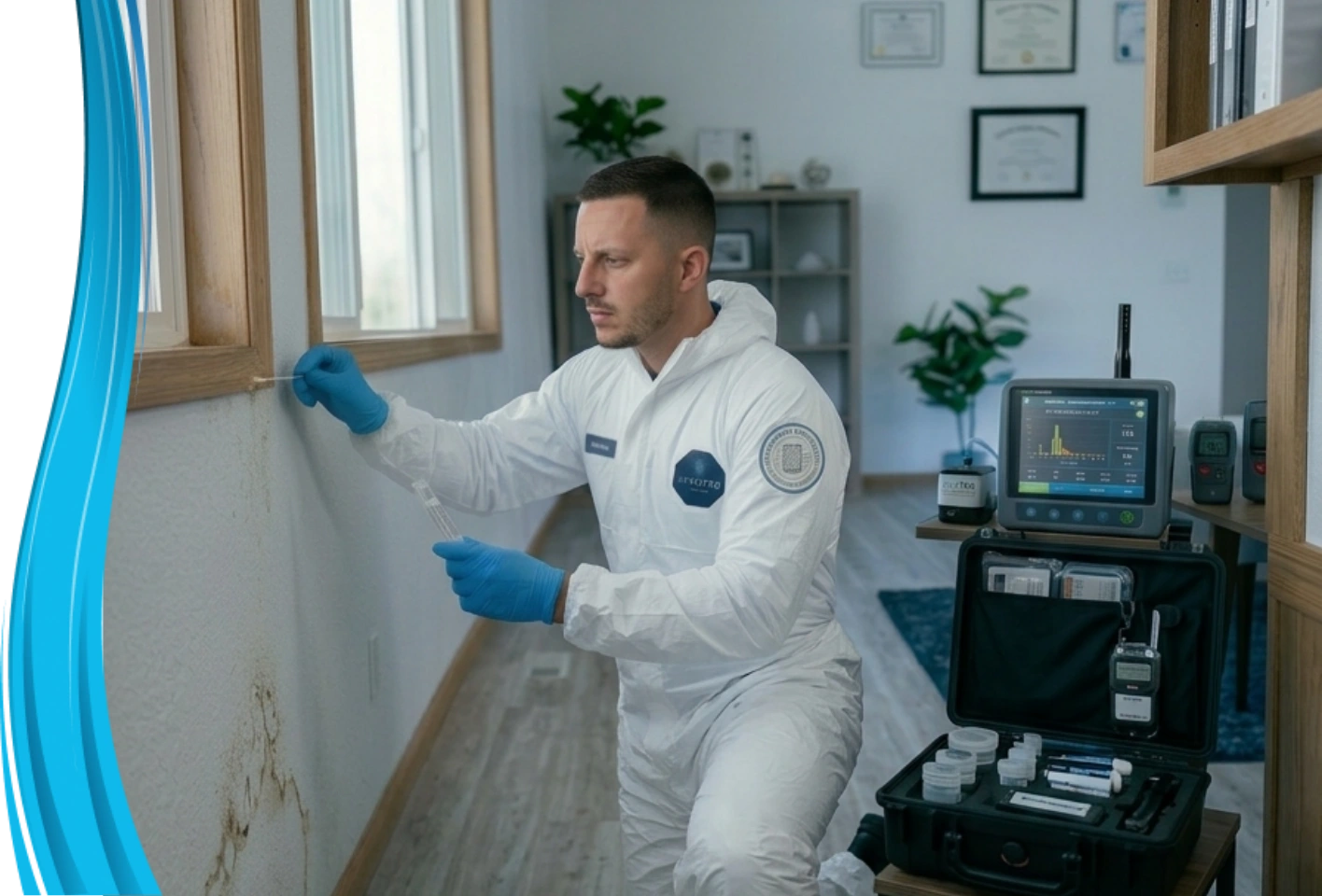
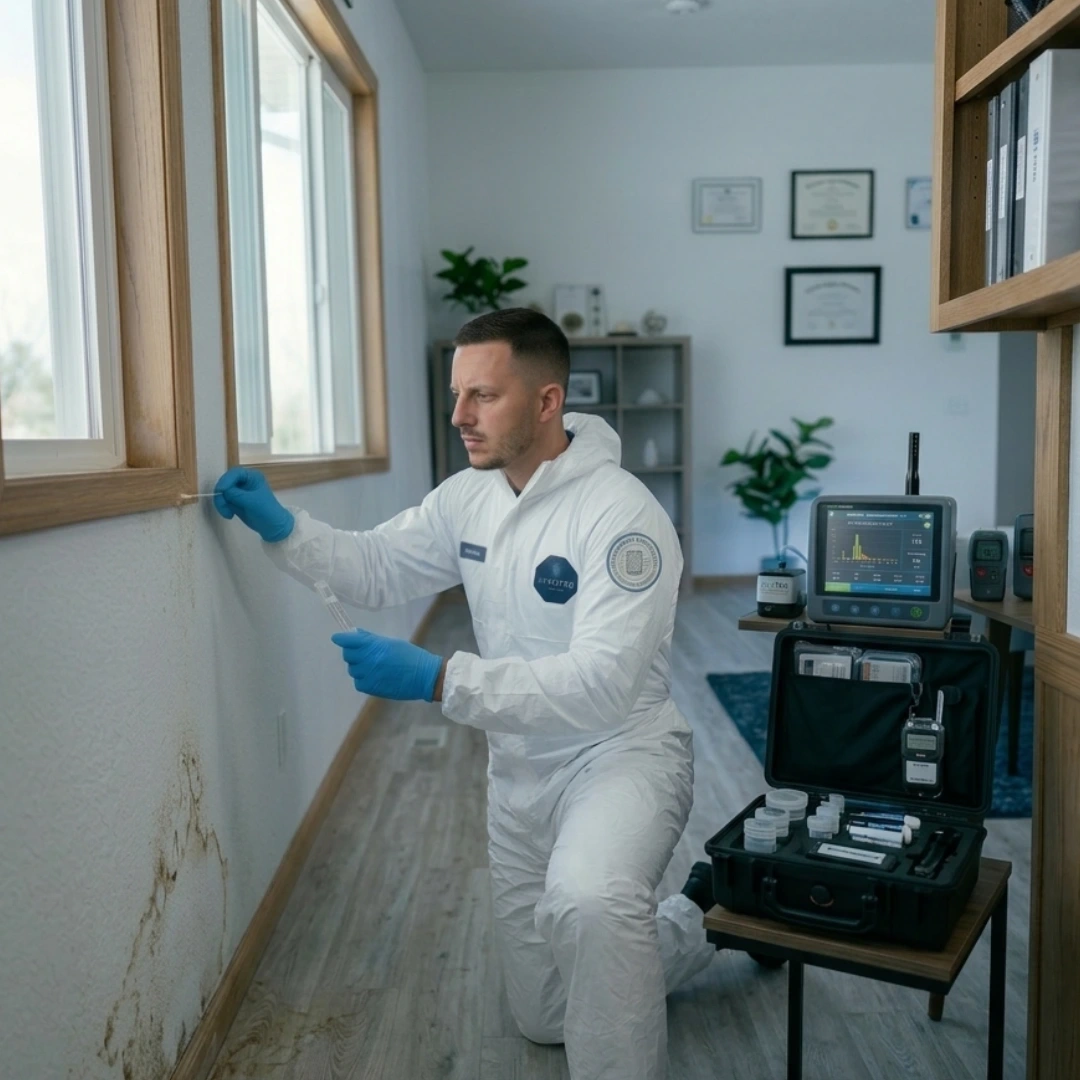
- A technician collects air samples and surface swabs from affected rooms.
- Samples go to an accredited lab for mycotoxin analysis.
- You receive a detailed report within 3-5 business days showing toxin levels.
- The service recommends remediation steps based on test results.
- Follow-up testing confirms air quality after mold removal.
Get Your Free Consultation
mycotoxin Testing Identifies Harmful Mold Spores in Your Indoor Air
Homeowners in Jersey City and Newark dealing with musty smells or visible mold after basement flooding need confirmation of airborne toxins. Testing verifies whether harmful spores are present before symptoms worsen. You avoid guessing about air quality when lab results show exact toxin levels.
High humidity in coastal areas increases mold growth rates during summer months. We collect samples from rooms where you notice odors or discoloration. Testing confirms whether toxins are affecting your family’s health.
Professional Testing Uses Air and Surface Samples to Detect Toxins
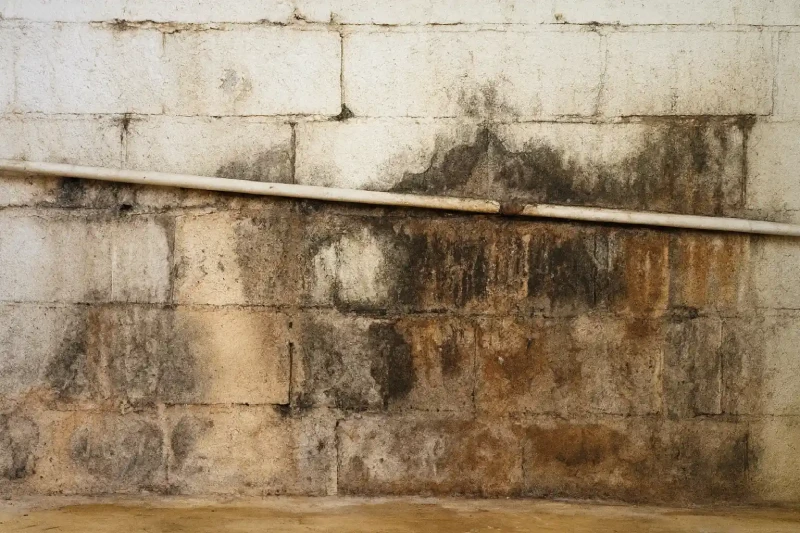
Residents preparing to sell or buy homes need documented proof of air quality. Lab-verified results provide legal protection and guide remediation scope. You receive reports that show which rooms contain elevated toxin levels.
Older homes in Trenton and Camden often have hidden mold behind walls from past water damage. We take surface swabs from suspicious areas and air samples from living spaces. Testing reveals contamination you cannot see with your eyes alone.
New Jersey Homes Need Testing After Flooding or Prolonged Water Exposure
Property owners recovering from storm damage or plumbing failures face immediate health risks from mold toxins. Early testing prevents long-term health issues and structural decay. You protect your family by identifying contamination within days of water intrusion.
NJ guidelines recommend testing within 48 hours of water intrusion to prevent spore spread. We respond quickly to flooding events and moisture problems. Testing shows whether drying efforts stopped mold growth or if remediation is needed.
Lab Analysis Shows Which Mold Species Are Releasing Toxins
Families with respiratory concerns need to identify specific toxin sources affecting their health. Testing pinpoints dangerous species like Stachybotrys (black mold) versus harmless mold types. You understand exactly which mold strains require certified mold remediation.
Basements in Princeton and Edison frequently show elevated toxin levels due to poor ventilation. We send your samples to certified labs that identify each species present. Analysis reveals whether toxins match your symptoms or property damage patterns.
Testing Results Guide Safe Remediation and Prevent Health Risks
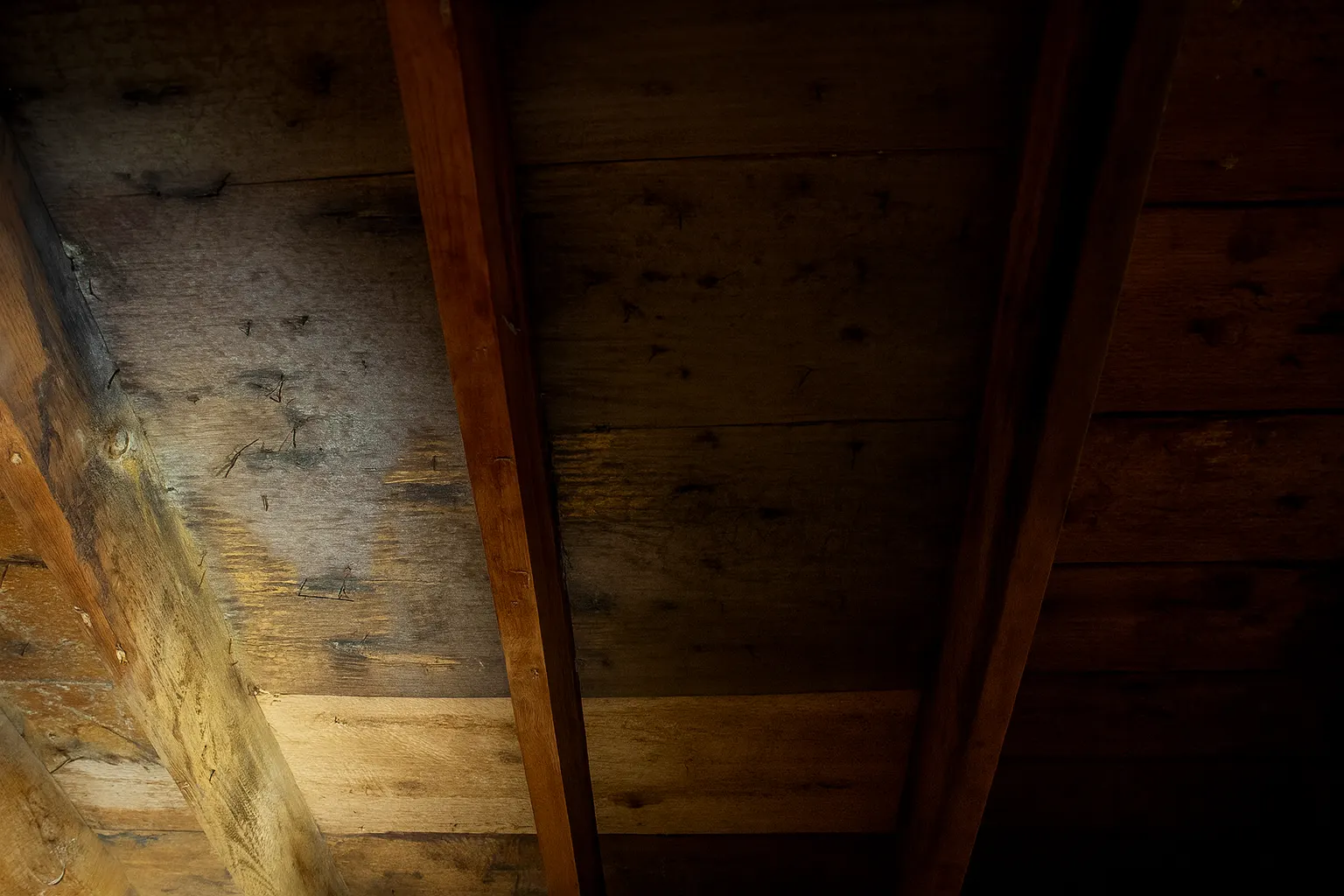
Landlords and property managers must verify tenant safety after mold complaints. Clear action plans reduce liability and speed up safe occupancy. You receive step-by-step remediation recommendations based on toxin concentrations found.
New Jersey tenant law requires documented testing before renewing leases in affected units. We provide detailed reports that satisfy legal requirements and insurance claims. Testing results show where containment barriers and air scrubbers are needed during cleanup.
Get Your Free Consultation
- 5.0 rating on Google
- Serving New Jersey with Honesty & Integrity
- Licensed, Insured and Bonded
- 5.0 rating on Google
- Serving New Jersey with Honesty & Integrity
- Licensed, Insured and Bonded
Frequently Asked Questions
How long does mycotoxin testing take in New Jersey?
Sample collection takes 1-2 hours and lab results arrive in 3-5 business days. We schedule appointments within days of your call. You receive a detailed report showing toxin types and concentration levels in each tested area.
When should I get mycotoxin testing after water damage?
Schedule within 48 hours of water exposure or when you notice mold odors. Early testing prevents spore spread throughout your home. We respond to flooding emergencies and chronic moisture problems across New Jersey.
What areas of my New Jersey home need testing?
Basements, bathrooms, attics, and any rooms with past water leaks or flooding require testing. We assess visible mold and hidden growth behind walls. Testing focuses on areas where you spend the most time.
Can I stay in my home during mycotoxin testing?
Yes, testing is non-invasive and safe for occupants and pets. We collect samples without disturbing your daily routine. You do not need to vacate during the inspection process.
Do I need testing if I only see a small amount of mold?
Yes, visible mold often indicates larger hidden growth releasing toxins into air. Surface mold represents a fraction of total contamination. Testing reveals the full extent of toxin exposure in your home.
How do I prepare my New Jersey home for mycotoxin testing?
Avoid cleaning affected areas for 48 hours before testing to preserve samples. We need undisturbed mold growth for accurate lab analysis. Close windows and doors 2 hours before our arrival for proper air sampling.
Your Local Mycotoxin testing Experts in New Jersey
Serving New Jersey homeowners and businesses since 2003 with complete environmental services.
Proudly serving Ramblewood, Larchmont, Hartford, Birchfield, and all of New Jersey – plus Moorestown, Marlton, and Cherry Hill.