
Emergency Response for NJ, PA & DE Homes & Businesses
Mold Testing in New Jersey - Fast Detection & Clear Results
Certified Mold Testing & Mold Remediation Experts
Fast emergency response across NJ, PA & DE
20+ years certified, 330+ 5-star reviews
4.9

Based on 330+ Reviews
5.0
Based on 20+ Reviews
Accredited
A+ Rating

Get Your Free Consultation






See What Our New Jersey Customers Are Saying
Trustindex verifies that the original source of the review is Google.Posted on
- 5.0 rating on Google
- Serving New Jersey with Honesty & Integrity
- Licensed, Insured and Bonded
- 5.0 rating on Google
- Serving New Jersey with Honesty & Integrity
- Licensed, Insured and Bonded
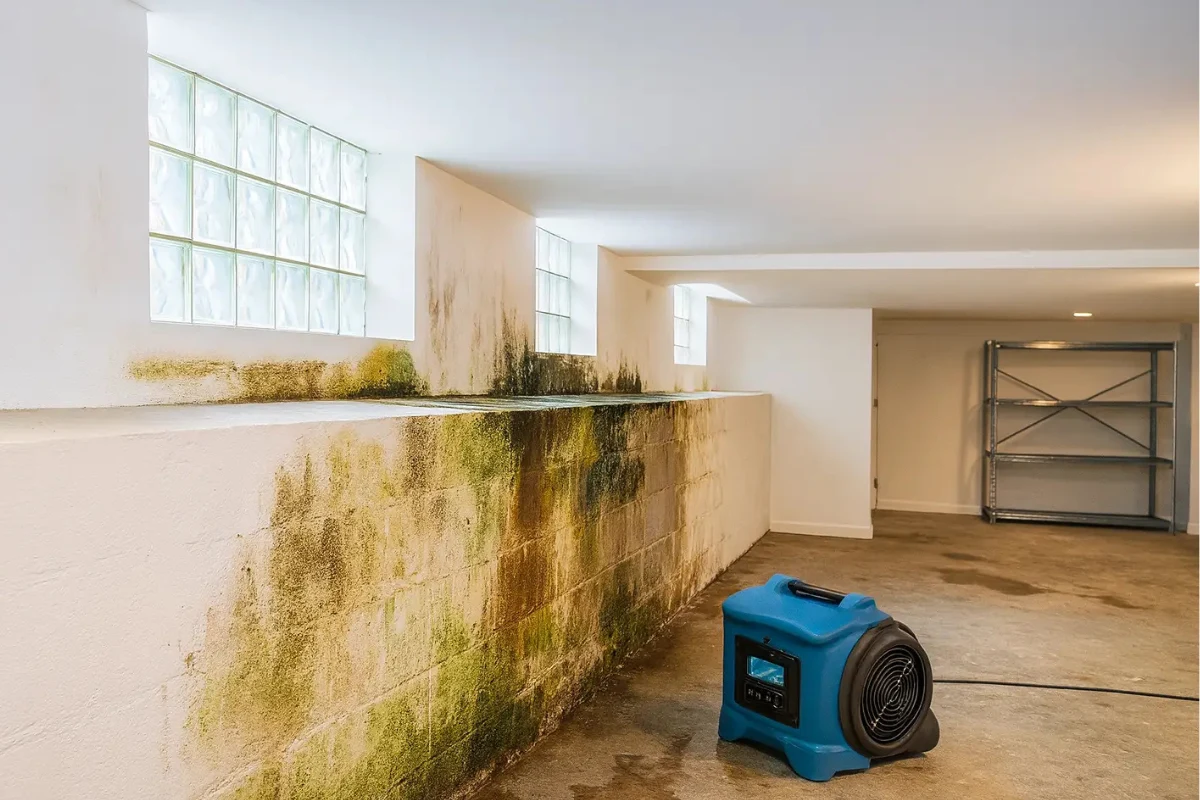
Common Signs You Need Mold Testing in Your New Jersey Home
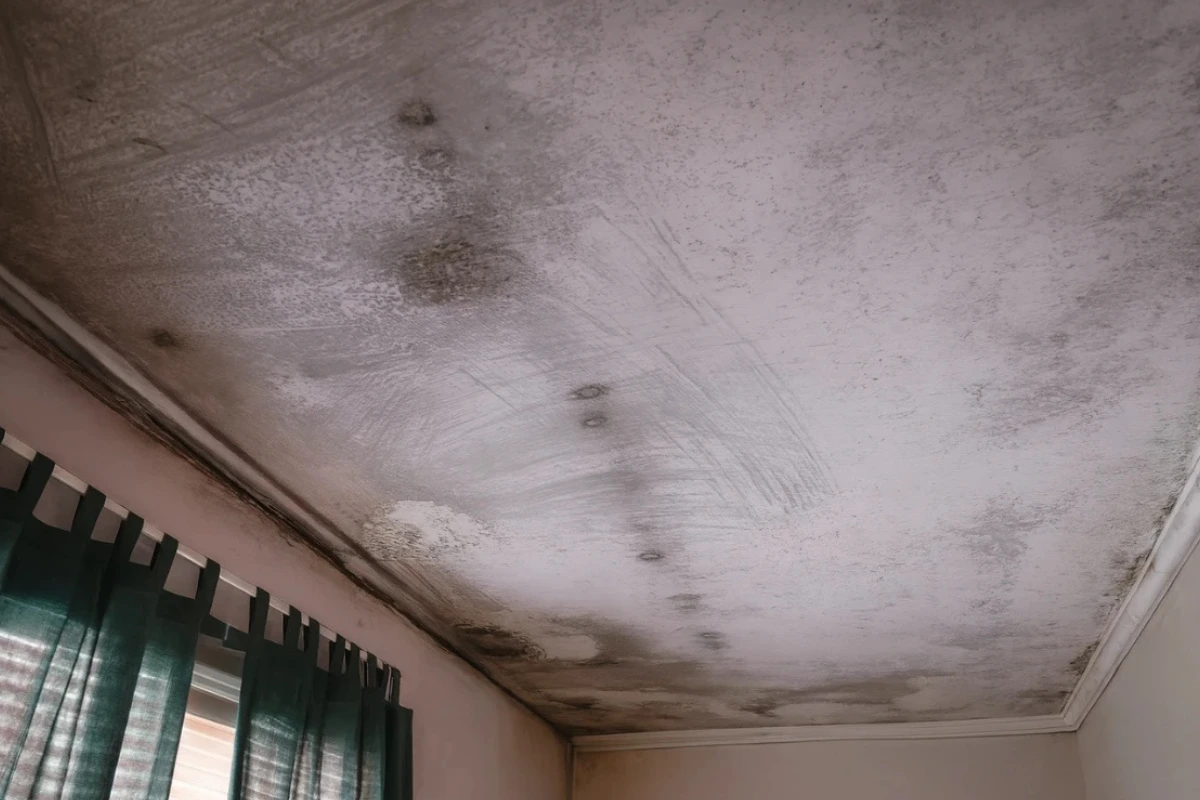
Musty odors that won’t go away often mean hidden mold growth. You might notice the smell strongest in basements or bathrooms after humid weather. Dark stains on walls or ceilings signal moisture problems. These spots may look black, green, or brown.
Water damage from storms or leaks creates perfect conditions for mold. If your home flooded within the past week, spores can start spreading within 48 hours. Peeling wallpaper or bubbling paint also indicates trapped moisture behind surfaces.
Visible discoloration might be mold or just dirt. Certified testing confirms what you’re dealing with. This protects your property value and keeps your family healthy. New Jersey’s humid summers and wet basements create ideal growth conditions. Many older homes in Jersey City, Newark, and Paterson have poor ventilation that makes the problem worse.
Pay attention if multiple rooms smell damp at once. Check around windows, under sinks, and near washing machines. Professional testing gives you clear answers before small issues become expensive repairs.
Get Your Free Consultation
How Professional Mold Testing Works in New Jersey Properties
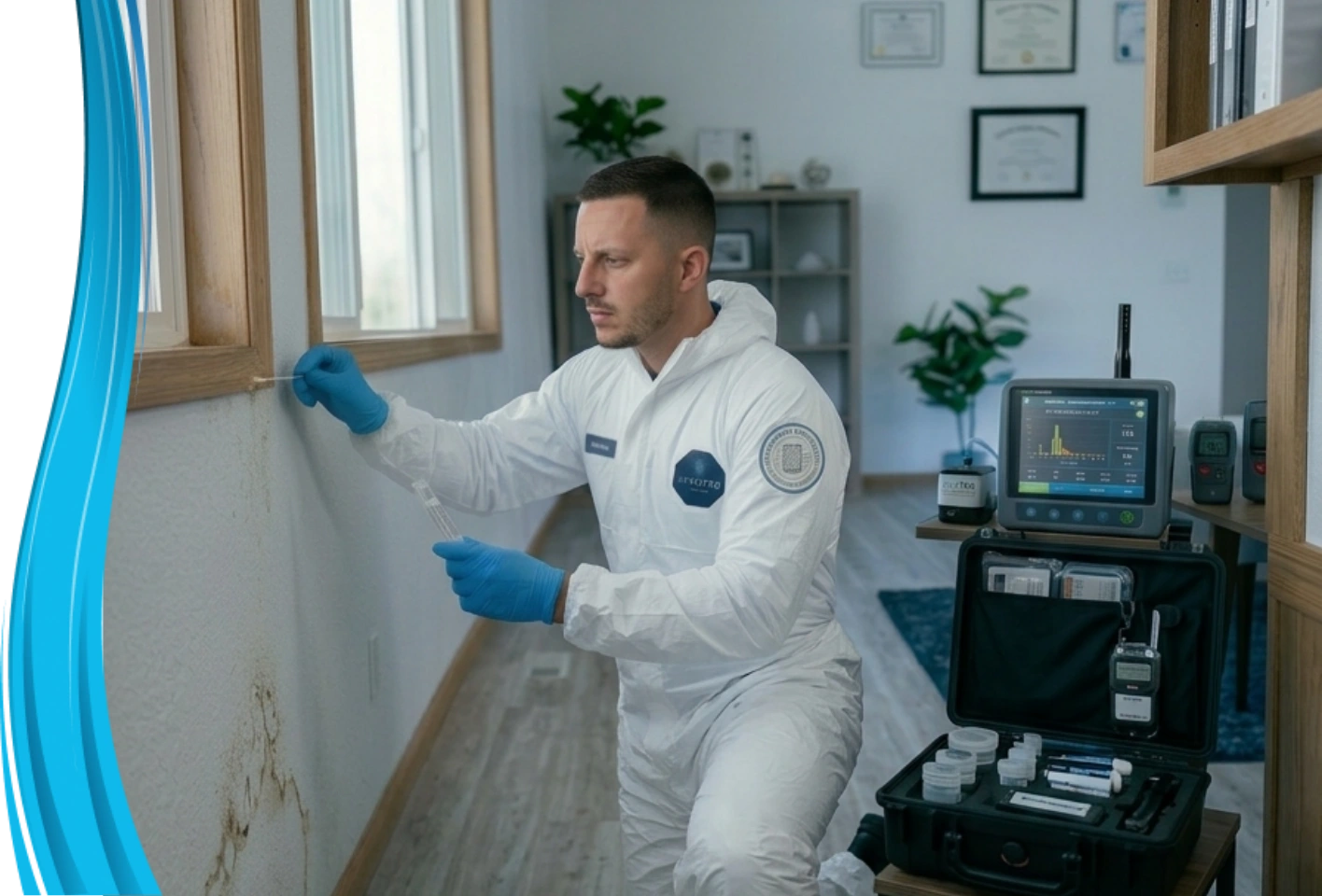
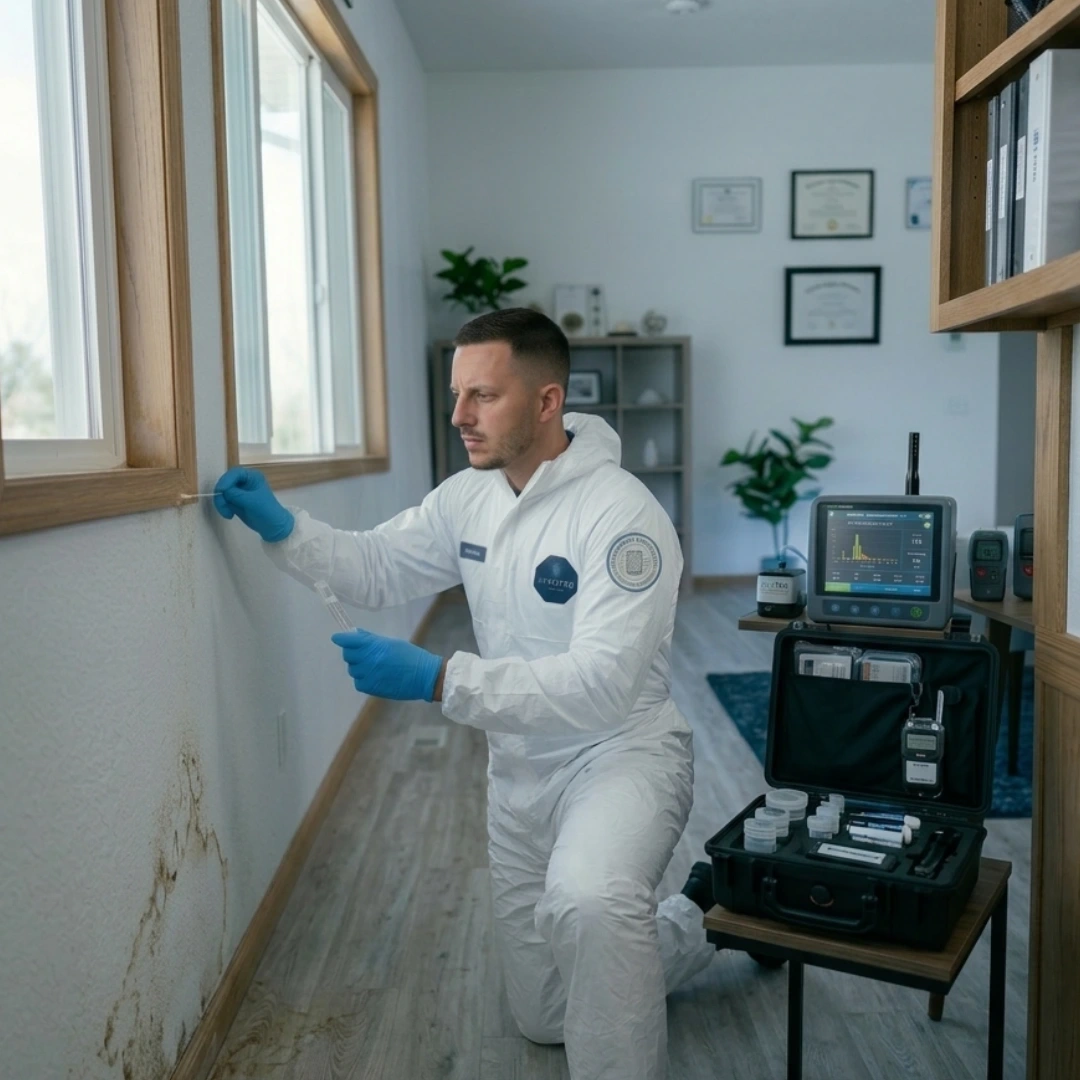
Our certified inspector examines visible areas first and checks moisture levels with specialized meters. We inspect over 120 points from top to bottom, inside and outside. Air samples capture spore counts in affected rooms to measure contamination levels.
Surface swabs test visible growth or suspicious stains. We also use tape samples and bulk samples depending on what we find. These samples show whether discoloration is active mold or old residue. We collect samples from multiple locations to map the spread pattern.
All samples go to a certified lab for species identification. You receive a detailed report showing mold types and concentration levels within 2-3 business days. The report indicates whether spore counts exceed safe thresholds for indoor spaces. For properties with potential mycotoxin contamination, we offer specialized mycotoxin testing to identify dangerous toxins produced by certain mold species.
Lab results show exact mold species so you know what you’re facing. This eliminates guesswork about whether you need remediation. Residents in Trenton and Edison often request testing before starting repairs or selling a home. Our inspection includes checking your basement, attic, roof, plumbing, HVAC, foundation, grading, and windows.
The inspection takes 1-2 hours for most homes. We document findings with digital photos and moisture readings. Clear results let you move forward with confidence.
Health Symptoms That Signal Mold Exposure
Persistent coughing that gets worse indoors points to poor air quality. You might notice relief when you leave the house for several hours. Sinus congestion and headaches that won’t respond to normal treatment often link to mold spores in the air.
Skin rashes or itchy eyes without other causes deserve attention. Worsening asthma symptoms mean your home’s air needs testing. Children and elderly family members may react more strongly to contaminated spaces.
Testing connects these symptoms to mold presence in your home. It clears up uncertainty about your indoor air quality. Families in New Jersey with unexplained breathing issues after water damage need answers fast.
Coastal humidity in areas like Atlantic City worsens mold-related breathing problems during summer months. High moisture levels keep spores active and airborne. You might feel fine in winter but struggle every June through September.
Pay attention if multiple people in your household show the same symptoms. Mold affects everyone differently based on sensitivity levels. Certified inspection identifies the source so you can address health concerns at the root.
What Happens After Your Mold Test Shows Positive Results
You receive a detailed remediation plan within 24 hours of your lab results. The plan shows which areas need treatment and how we’ll contain the work zone. We explain every step before starting so you know what to expect.
Our team seals off affected rooms with plastic barriers and negative air pressure. This prevents mold spores from spreading to clean areas during removal. We remove contaminated materials like drywall, insulation, or carpeting that can’t be saved.
HEPA vacuums and air scrubbers capture airborne particles throughout the process. We treat surfaces with antimicrobial solutions to kill remaining spores. All removed materials go into sealed bags for safe disposal.
Property owners in Newark and Camden need immediate action after positive reports. Delays let mold colonize new surfaces and increase repair costs. We coordinate testing and removal for faster recovery across New Jersey, Pennsylvania, and Delaware. Our mold restoration and remodeling services handle everything from remediation to rebuilding damaged areas.
Post-remediation testing confirms all spores are eliminated. You get a clearance report showing your home meets safe air quality standards. This documentation protects your investment and gives you peace of mind. We restore safe living conditions so your family can breathe easy again.
Preventing Mold Growth After Basement Flooding in New Jersey
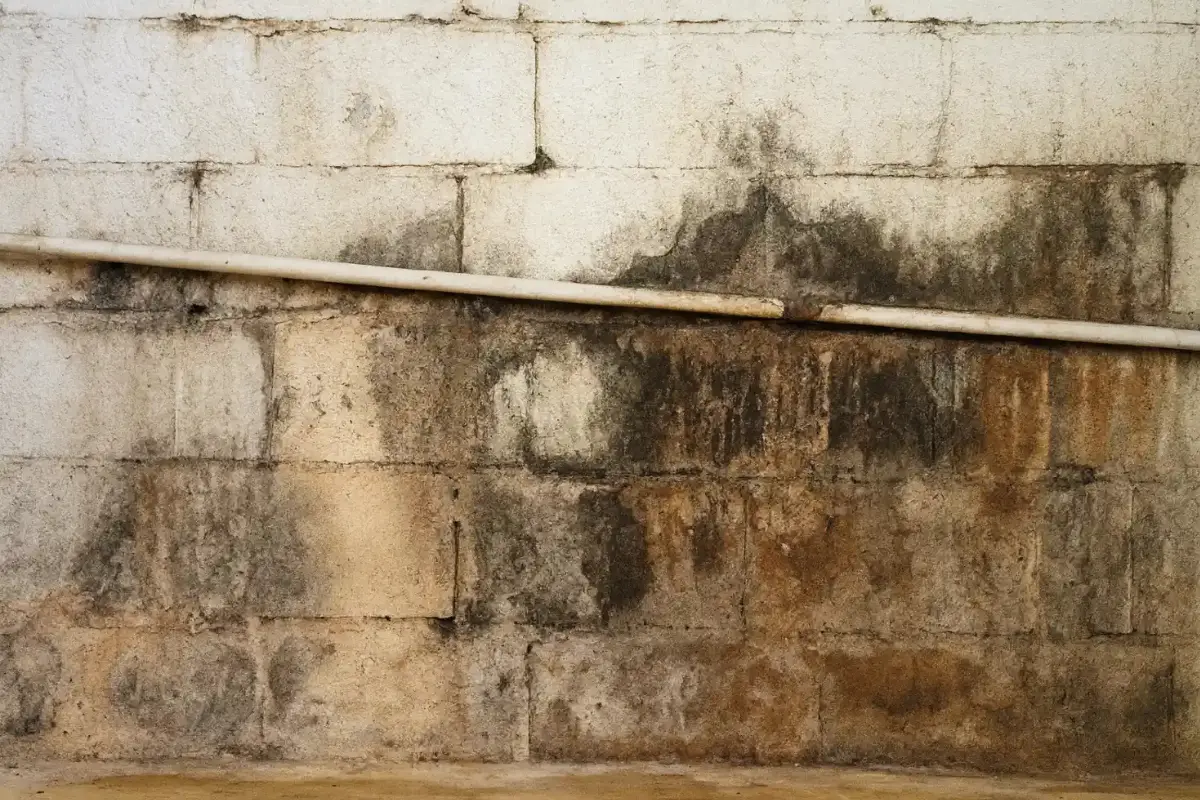
Dry out flooded areas within 48 hours to stop spores from taking hold. Remove standing water immediately with pumps or wet vacuums. Open windows and run fans to increase air circulation even in cold weather.
Post-flood testing confirms all spores are gone after cleanup finishes. Hidden moisture in walls or under flooring can restart growth weeks later. We use thermal imaging cameras to find wet spots you can’t see.
Install a dehumidifier to keep basement humidity below 50 percent year-round. Check the device monthly and empty collection tanks regularly. Sump pumps with battery backup protect your home during power outages. The EPA emphasizes that moisture control is the key to preventing mold growth in homes and buildings.
Homeowners in flood-prone neighborhoods like Hoboken face repeat problems without prevention steps. New Jersey’s heavy spring rains and hurricane season make basements vulnerable every year. Grade soil away from your foundation so water flows away from the house.
Seal foundation cracks before the next storm arrives. Apply waterproof coating to basement walls in older homes. Gutters and downspouts should direct roof runoff at least six feet from your foundation.
Our inspection reports include preventive maintenance recommendations to control future problems. These simple steps reduce your risk of mold coming back after professional remediation.
How is mold testing performed in New Jersey?
- Inspector examines visible areas and checks moisture levels with meters.
- Air samples capture spore counts in affected rooms.
- Surface swabs test visible growth or stains.
- Samples go to a certified lab for species identification.
- You receive a report showing mold types and concentration levels.
- Inspector recommends remediation if levels exceed safe thresholds.
Get Your Free Consultation
- 5.0 rating on Google
- Serving New Jersey with Honesty & Integrity
- Licensed, Insured and Bonded
- 5.0 rating on Google
- Serving New Jersey with Honesty & Integrity
- Licensed, Insured and Bonded
Frequently Asked Questions
What are the signs you need mold testing in New Jersey?
Musty smells, visible stains, recent water damage, or unexplained allergies are the main signs you need mold testing. You should also test if multiple people in your home develop respiratory symptoms that improve when they leave the house.
How long does mold testing take in New Jersey homes?
Can I test for mold myself or should I hire a professional?
Do I need mold testing after a small leak in my New Jersey basement?
What health symptoms mean I should get mold testing done?
How do inspectors test for mold in New Jersey attics and basements?
Your Local Mold testing Experts in New Jersey
Serving New Jersey homeowners and businesses since 2003 with complete environmental services.
Proudly serving Ramblewood, Larchmont, Hartford, Birchfield, and all of New Jersey – plus Moorestown, Marlton, and Cherry Hill.