
Emergency Response for NJ, PA & DE Homes & Businesses
Mold Removal from Ducts in New Jersey: Clear Air Ducts, Healthier Home
Certified Mold Testing & Mold Remediation Experts
Fast emergency response across NJ, PA & DE
20+ years certified, 330+ 5-star reviews
4.9

Based on 330+ Reviews
5.0
Based on 20+ Reviews
Accredited
A+ Rating

Get Your Free Consultation






See What Our New Jersey Customers Are Saying
Trustindex verifies that the original source of the review is Google.Posted on
- 5.0 rating on Google
- Serving New Jersey with Honesty & Integrity
- Licensed, Insured and Bonded
- 5.0 rating on Google
- Serving New Jersey with Honesty & Integrity
- Licensed, Insured and Bonded
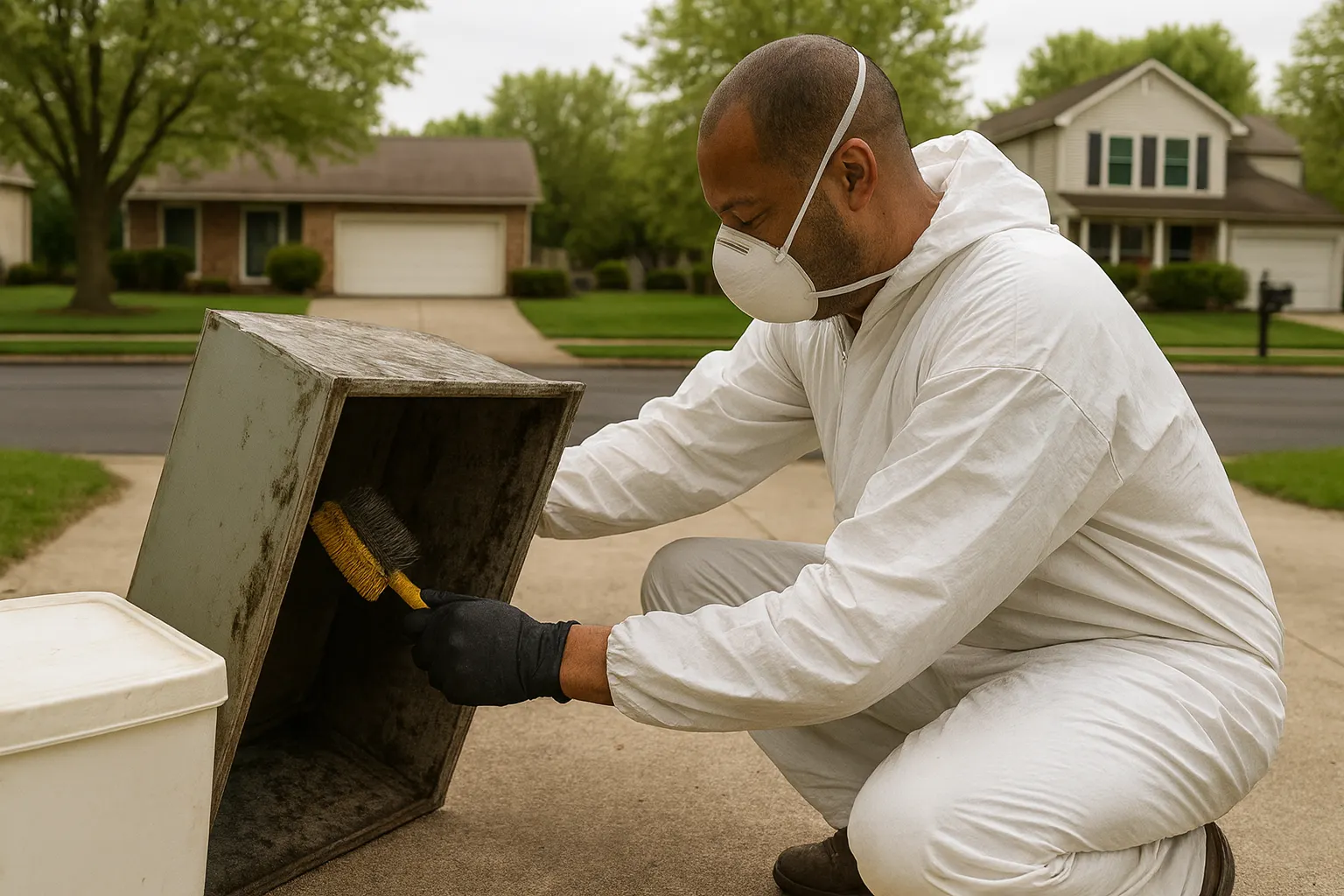
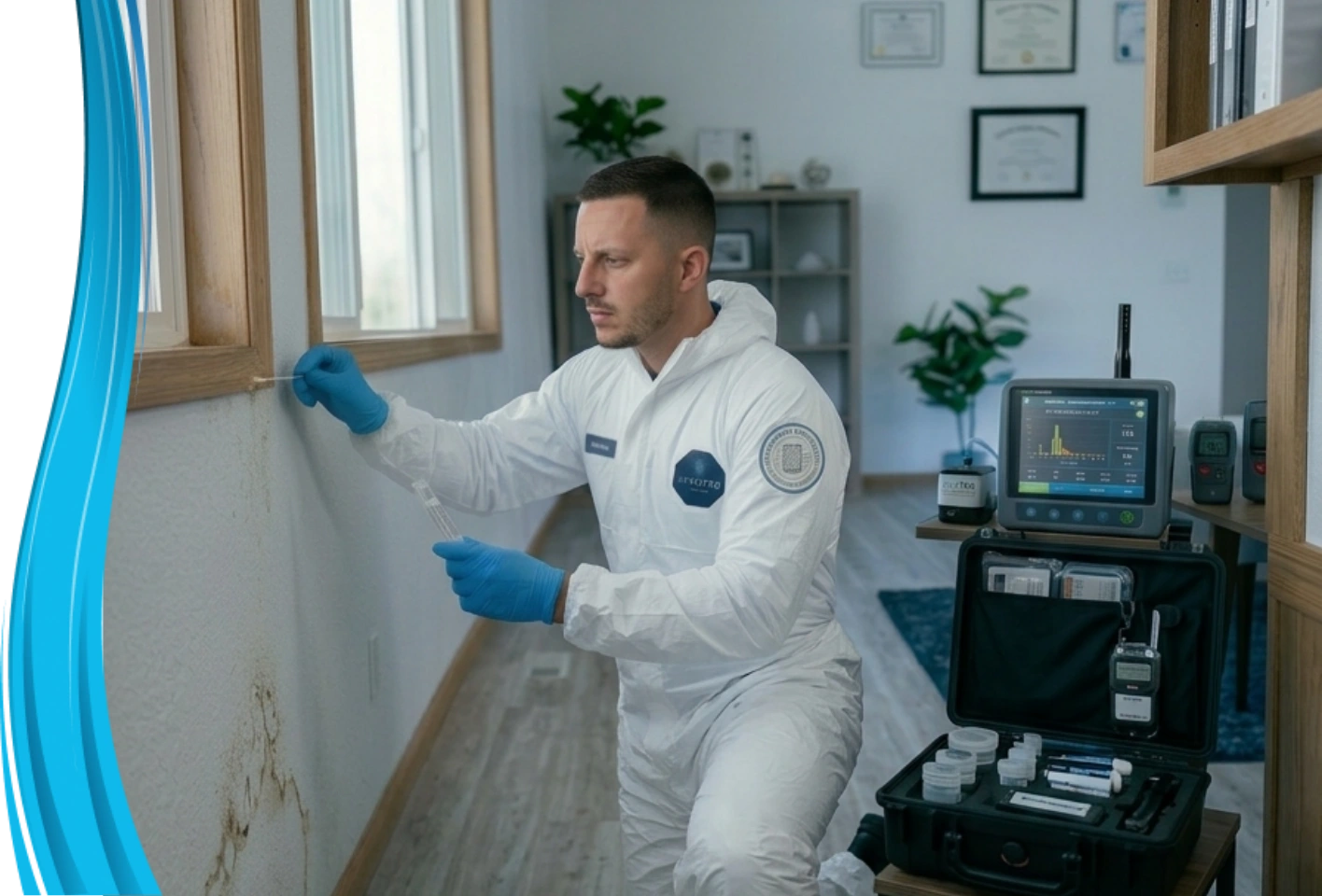
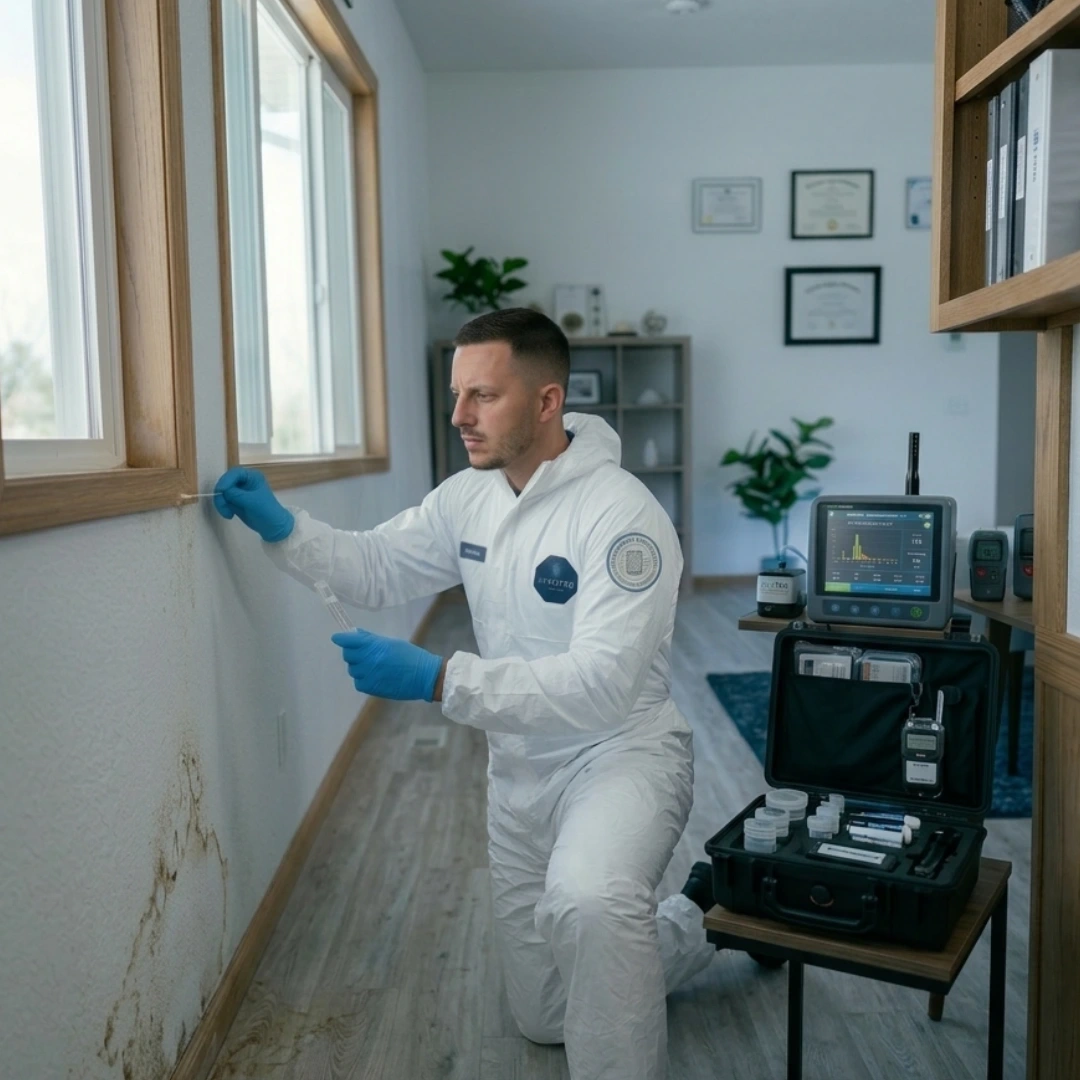
In New Jersey, mold in air ducts spreads spores through every room when your HVAC runs. This page covers mold removal from ducts, when you need it, and what happens during service. We inspect ducts, remove visible mold, sanitize surfaces, and check moisture sources. Fast response protects your air quality after water damage or flooding.
Mold in Air Ducts Spreads Through Your Entire HVAC System
When mold grows inside your ductwork, it gets blown into every room. Each time your heat or air conditioning turns on, mold spores fly through the vents. They land on your curtains, carpets, and bedding. You might smell something musty when the system runs. Your family might cough more than usual.
New Jersey gets very humid in summer. The air can hold 70 to 80 percent moisture. This helps mold grow fast in cool ducts and damp crawl spaces. Your basement might feel humid even when upstairs feels dry. When warm, wet air hits cold duct surfaces, water forms. That water feeds mold you can’t see inside the ducts.
We come quickly after floods or roof leaks. Mold can start growing in damp ducts within 48 hours. Once it starts, your HVAC blows allergens into every room. Removing mold from ducts stops the problem at the source. You breathe cleaner air in every room.
Get Your Free Consultation
Professional Duct Mold Removal Prevents Spores from Recirculating in New Jersey Homes
You can’t clean mold deep inside ducts yourself. Regular vacuums blow spores back into the air. We use special HEPA filters that catch 99.97 percent of mold particles. This stops mold from landing on your furniture or getting into bedrooms. We seal off work areas with plastic barriers. Special machines keep spores from floating into clean rooms.
Families in Larchmont and Hartford Road often call us when allergies get worse indoors. Many older New Jersey homes built before 1990 have ducts in damp basements. These ducts don’t have insulation. They get wet and grow mold easier than new systems. We use cameras to look inside every duct section. We find hidden mold before it spreads more. Our air duct cleaning service in New Jersey also removes dust and dirt where mold can grow.
We write down everything we find. You get a report showing where mold was, what we removed, and how to stop it from coming back. This helps if you need to file insurance or sell your home.
Water Leaks and High Humidity Create Mold Growth Inside Ductwork
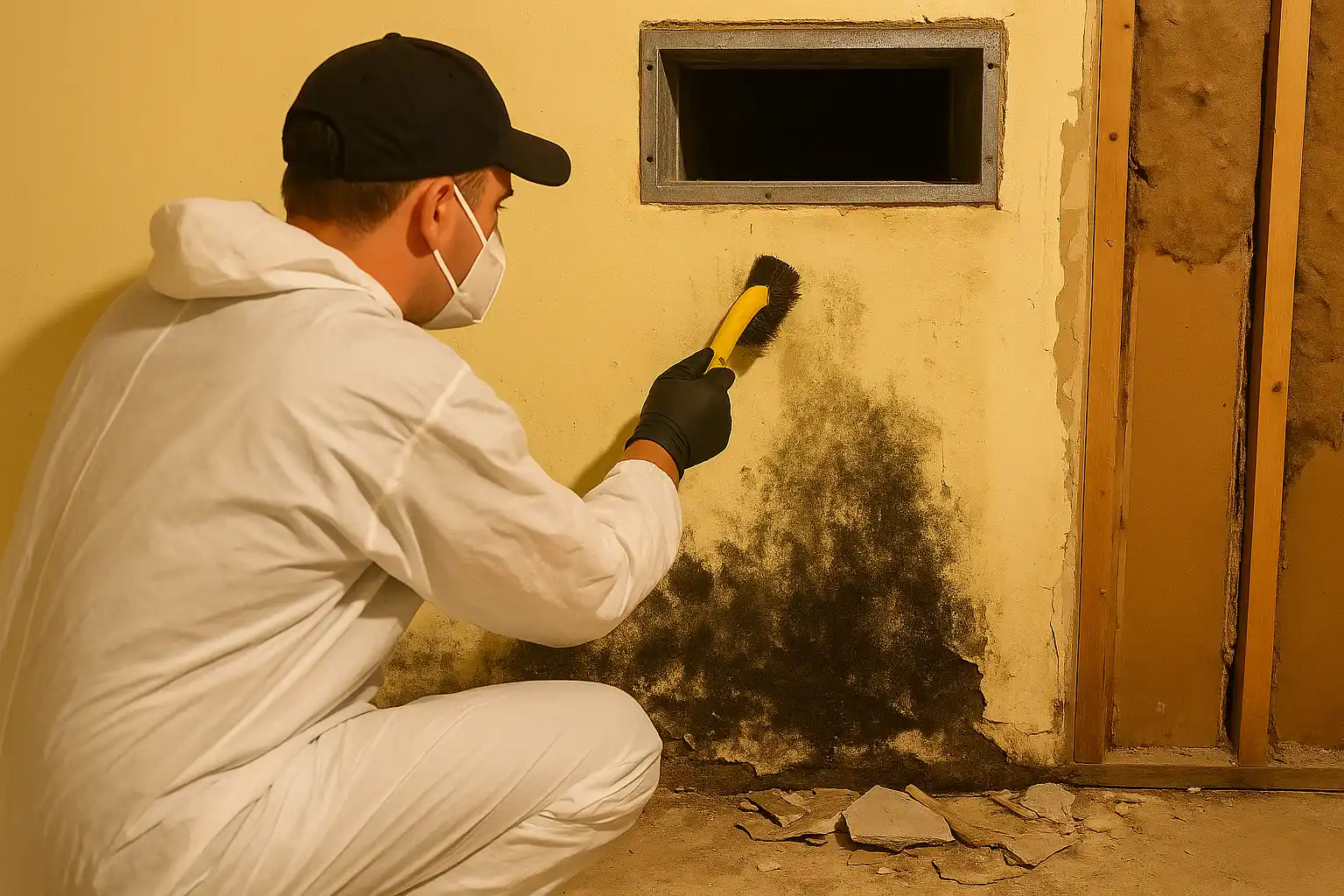
Mold needs water to grow. Air ducts get wet in several ways. Roof leaks can drip onto ducts in attics. Burst pipes soak duct insulation in basements. Broken sump pumps let water into crawl spaces where ducts sit. Even a little standing water makes enough dampness for mold to grow in two days.
Spring storms and melting snow cause water problems in low areas near Rancocas Creek. Water flows to the lowest spot in your home. That’s usually your basement where your HVAC system sits. If ducts have gaps or loose seals, humid air from damp basements gets sucked in. AC coils also make water that can overflow if drains get clogged.
We don’t just clean the mold you see. We find where the water comes from. The problem will come back if we don’t fix the water source. We might repair a leaking pan, seal duct joints, or tell you to get a dehumidifier. Cleaning mold without fixing water wastes your time and money.
Duct Sanitization Eliminates Mold Spores After Physical Removal
Cleaning removes mold you can see. But tiny spores stick to duct walls, coils, and vents. We spray EPA-approved cleaners after vacuuming. These kill leftover spores and stop new mold from growing. The products are safe for homes when pros use them and let them dry.
New Jersey says contractors must use approved products in homes where people live. We follow these rules. We give you papers showing what we used, where we used it, and when. People in Ramblewood and Moorestown-Lenola often want this service when selling homes or moving back after water damage.
We treat the whole inside of ducts. This includes spots near the furnace or air handler that are hard to reach. We fog the system so cleaner mist touches every surface. After it dries, your ducts are clean of both big and tiny mold. You can run your HVAC without worry.
Post-Removal Air Quality Testing Confirms Your Ducts Are Safe
Lab testing proves your air is safe before you go back to normal life. We collect air from several rooms. We send it to a lab. The lab counts mold spores by type. They compare your indoor air to outside air. You get a written report. It shows if your home passes or needs more work.
New Jersey law says a Licensed Mold Assessor must do testing. This person must be different from the cleaning company. This protects you. An unbiased pro checks the work. Families with health worries or insurance claims need this proof. The assessor visits after we finish cleaning. The results show the final completed work.
Testing also shows if mold came from one water event or ongoing dampness. If spore counts stay high after cleaning, we look for hidden water sources. Most New Jersey homes pass testing on the first try when we fix the water problem.
Regular HVAC Maintenance Prevents Mold from Returning in New Jersey's Humid Climate
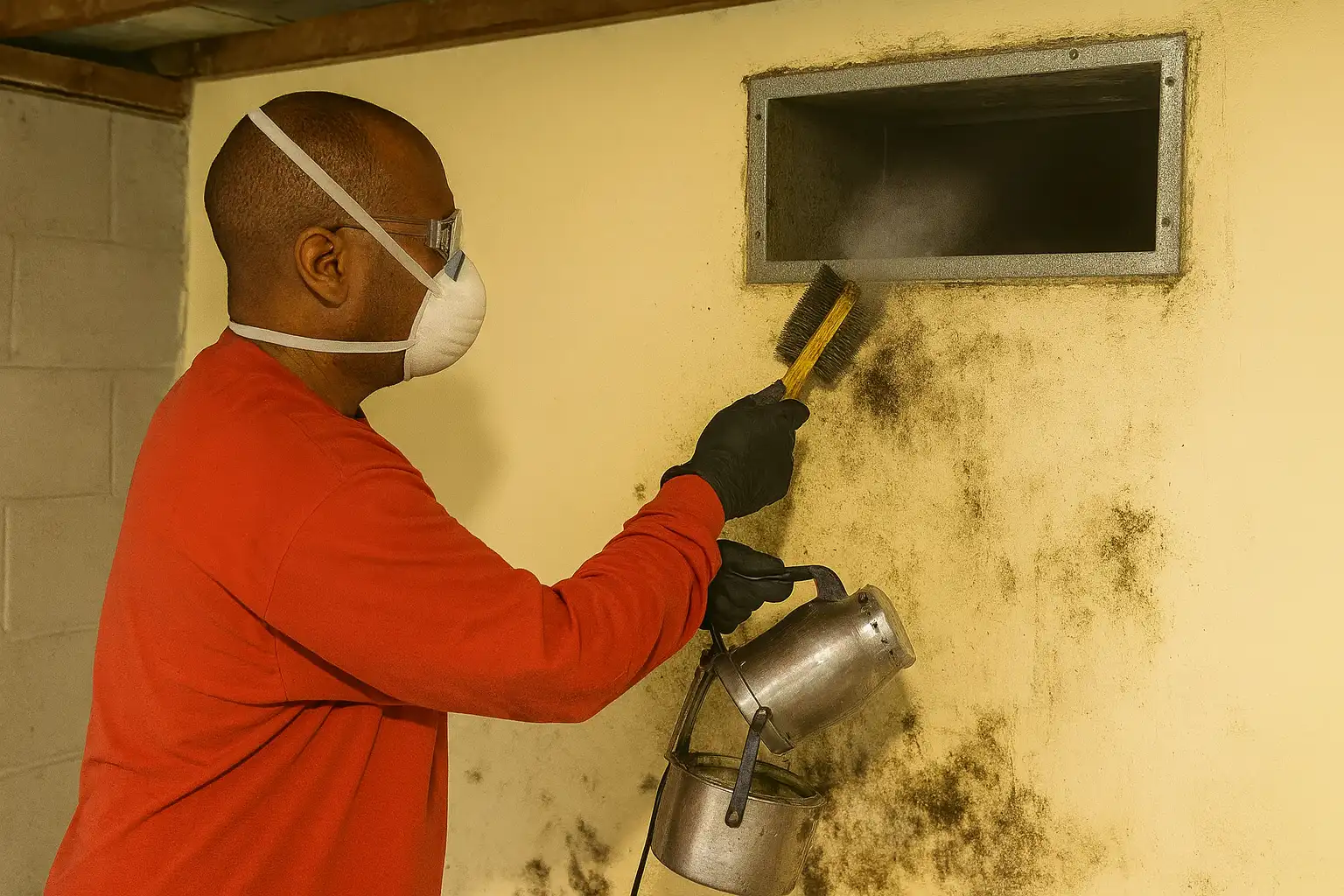
Once ducts are clean, easy care keeps mold away. Change HVAC filters every 60 to 90 days. Do this more in humid months. Dirty filters block airflow. They let dust pile up inside ducts. Mold sticks to dusty surfaces. Use filters rated MERV 8 or higher. These catch smaller bits.
New Jersey summers from June through August are hot and muggy. This strains AC systems. Check your AC drain line each month. Make sure it’s not clogged. A blocked drain overflows into ducts or the air handler box. Run a dehumidifier in your basement. Keep humidity below 50 percent. High moisture undoes our cleaning work.
Schedule annual duct inspections so we can spot early signs of water or mold. We also tell you to seal duct gaps. Insulate ducts that run through attics or crawl spaces. These steps cost less than cleaning mold again. They keep your air quality good all year.
How do we remove mold from ducts in New Jersey?
- We start by shutting off your HVAC system to stop spores from blowing into other rooms, then use a camera to spot exactly where the mold is hiding .
- Our team seals off the work area with plastic barriers so the rest of your home stays clean.
- We use industrial HEPA vacuums to physically scrub and remove the mold and dirt you can see.
- Next, we treat the inside of your ducts with EPA-approved cleaners to sanitize the surfaces.
- We track down the root cause—like a leak or condensation issue—and fix it so the mold doesn't return.
- Once we are done, we test the air to confirm it is safe and provide a full report for your insurance.
Get Your Free Consultation
- 5.0 rating on Google
- Serving New Jersey with Honesty & Integrity
- Licensed, Insured and Bonded
- 5.0 rating on Google
- Serving New Jersey with Honesty & Integrity
- Licensed, Insured and Bonded
Frequently Asked Questions
How long does mold removal from ducts take in a New Jersey home?
Most homes take 4 to 8 hours for full duct mold removal. Bigger systems or bad mold might need two days. We check your system first. Then we tell you how long it will take based on your home size and how much mold there is.
Can I stay in my New Jersey home during duct mold removal?
You can stay if plastic barriers seal off work areas. This stops spores from spreading. Families with asthma or bad allergies should leave during cleaning. We use special machines to keep dirty air away from where you live. But people with breathing problems might want to stay somewhere else until cleaners dry.
Will mold grow back in my ducts after removal in New Jersey?
Mold won’t grow back if we fix water sources like leaks and high humidity. You also need to change HVAC filters every 60 to 90 days. We find and fix what made mold grow in the first place. Without water, mold can’t grow in your ducts again.
Do I need a separate inspection before duct mold removal in New Jersey?
How soon can I run my HVAC after mold removal from ducts in New Jersey?
What causes mold in air ducts in New Jersey homes?
Your Local Mold Removal from Ducts Experts in New Jersey
Serving New Jersey homeowners and businesses since 2003 with complete environmental services.
Proudly serving Ramblewood, Larchmont, Hartford, Birchfield, and all of New Jersey – plus Moorestown, Marlton, and Cherry Hill.