
Emergency Response for NJ, PA & DE Homes & Businesses
Soot Removal in New Jersey – Fast Cleanup After Fire Damage
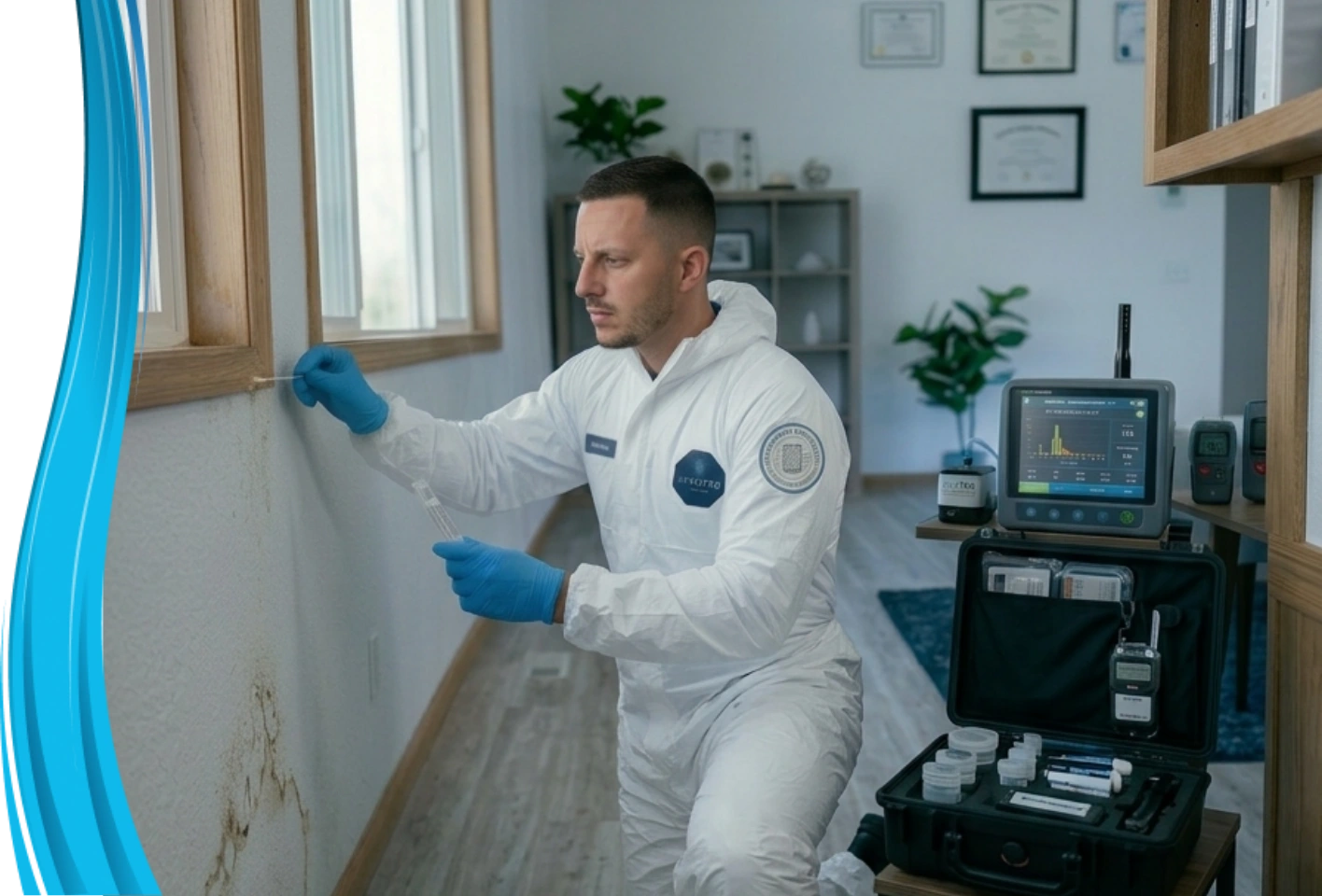
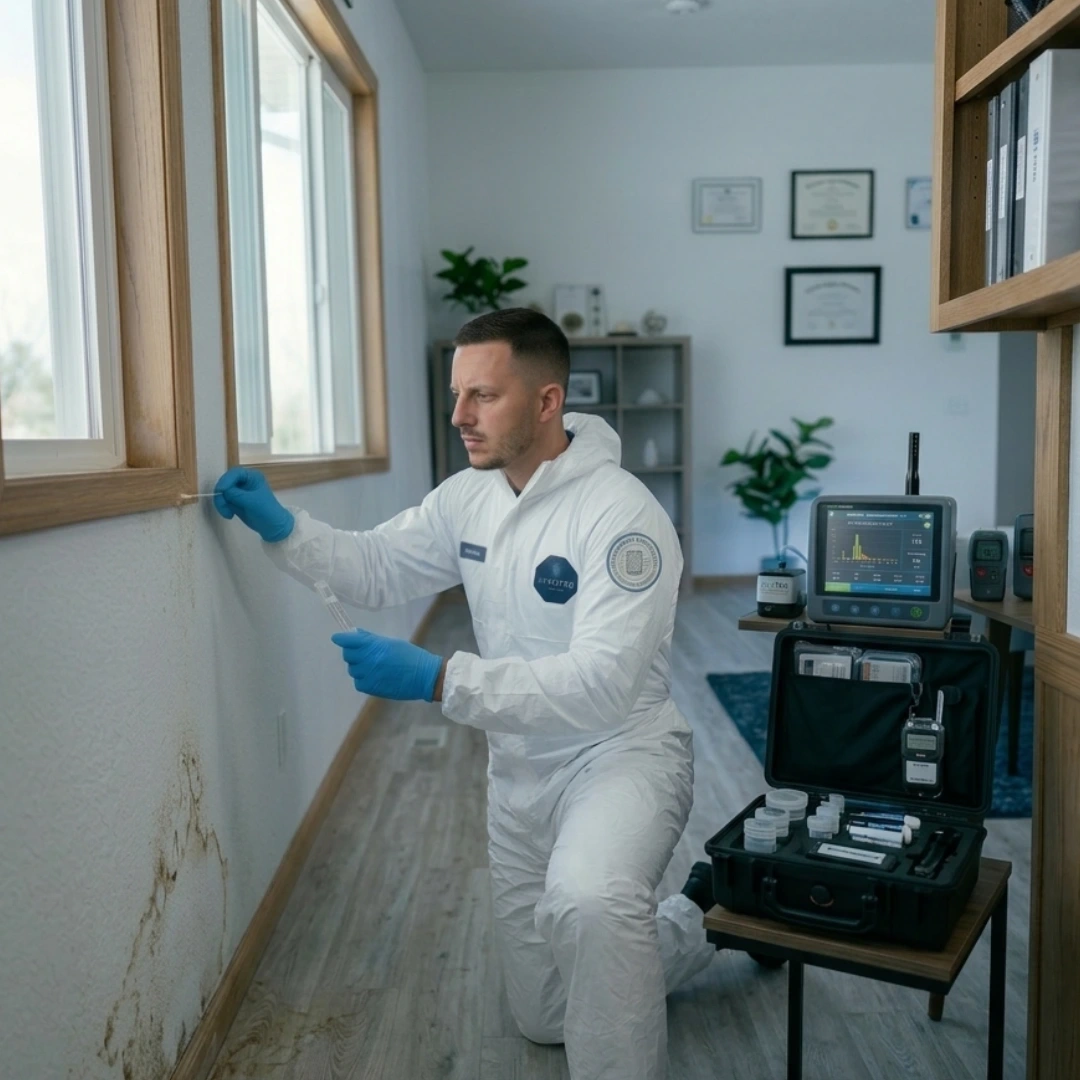
Certified Mold Testing & Mold Remediation Experts
Fast emergency response across NJ, PA & DE
20+ years certified, 330+ 5-star reviews
4.9

Based on 330+ Reviews
5.0
Based on 20+ Reviews
Accredited
A+ Rating

Get Your Free Consultation






See What Our New Jersey Customers Are Saying
Trustindex verifies that the original source of the review is Google.Posted on
- 5.0 rating on Google
- Serving New Jersey with Honesty & Integrity
- Licensed, Insured and Bonded
- 5.0 rating on Google
- Serving New Jersey with Honesty & Integrity
- Licensed, Insured and Bonded
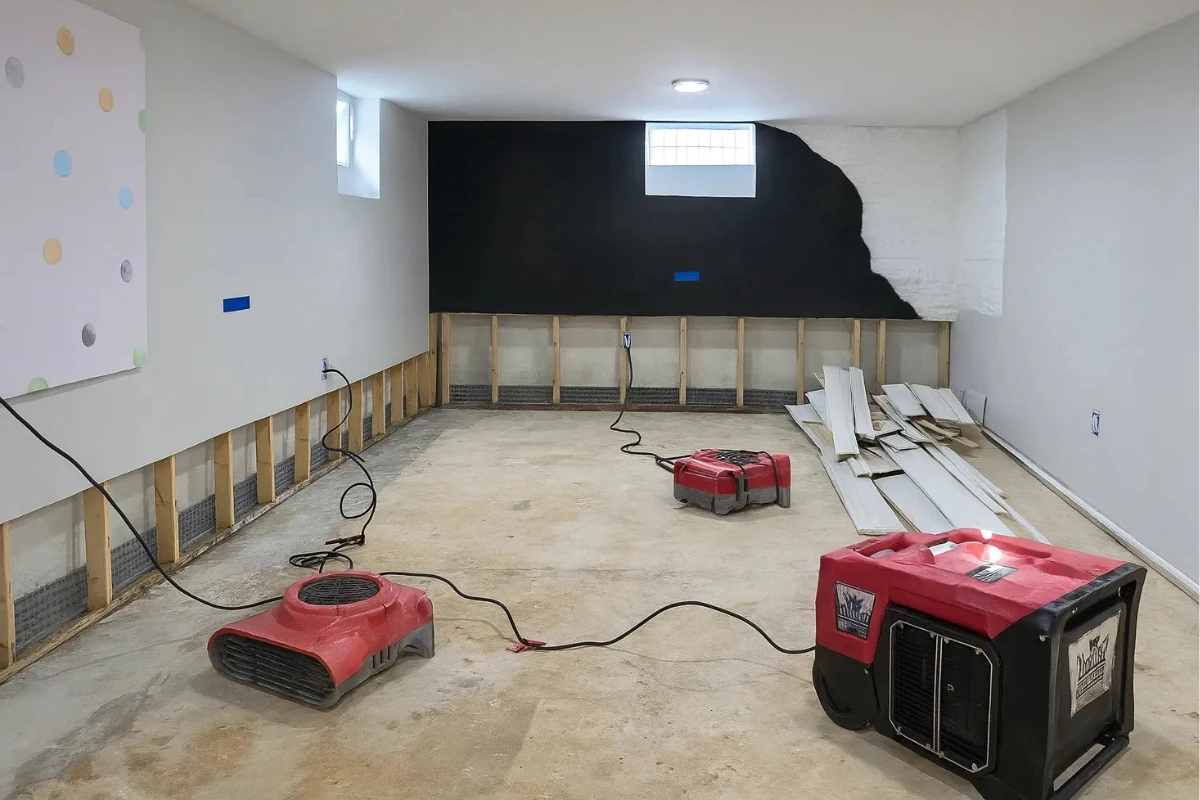
In New Jersey, soot spreads fast after kitchen fires, fireplace backups, and furnace malfunctions. This page explains soot removal from walls, ceilings, carpets, and furniture after fire or smoke events. Our crews respond same-day to assess damage and begin cleanup. We’re certified water damage restoration professionals who also handle soot, smoke odor, and structural drying. Learn more about our complete fire damage restoration services in New Jersey.
Professional Soot Removal Protects Walls and Ceilings From Permanent Staining
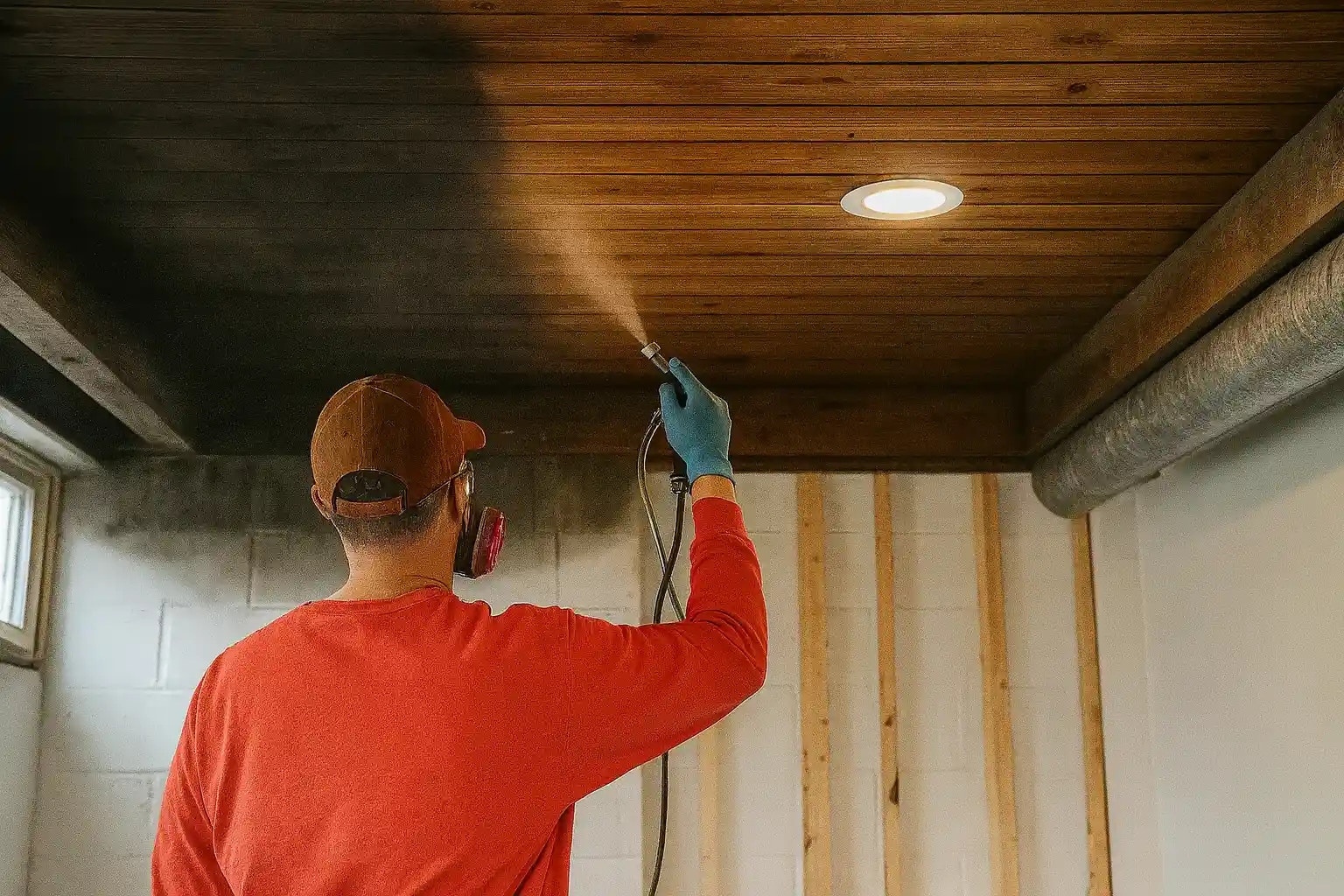
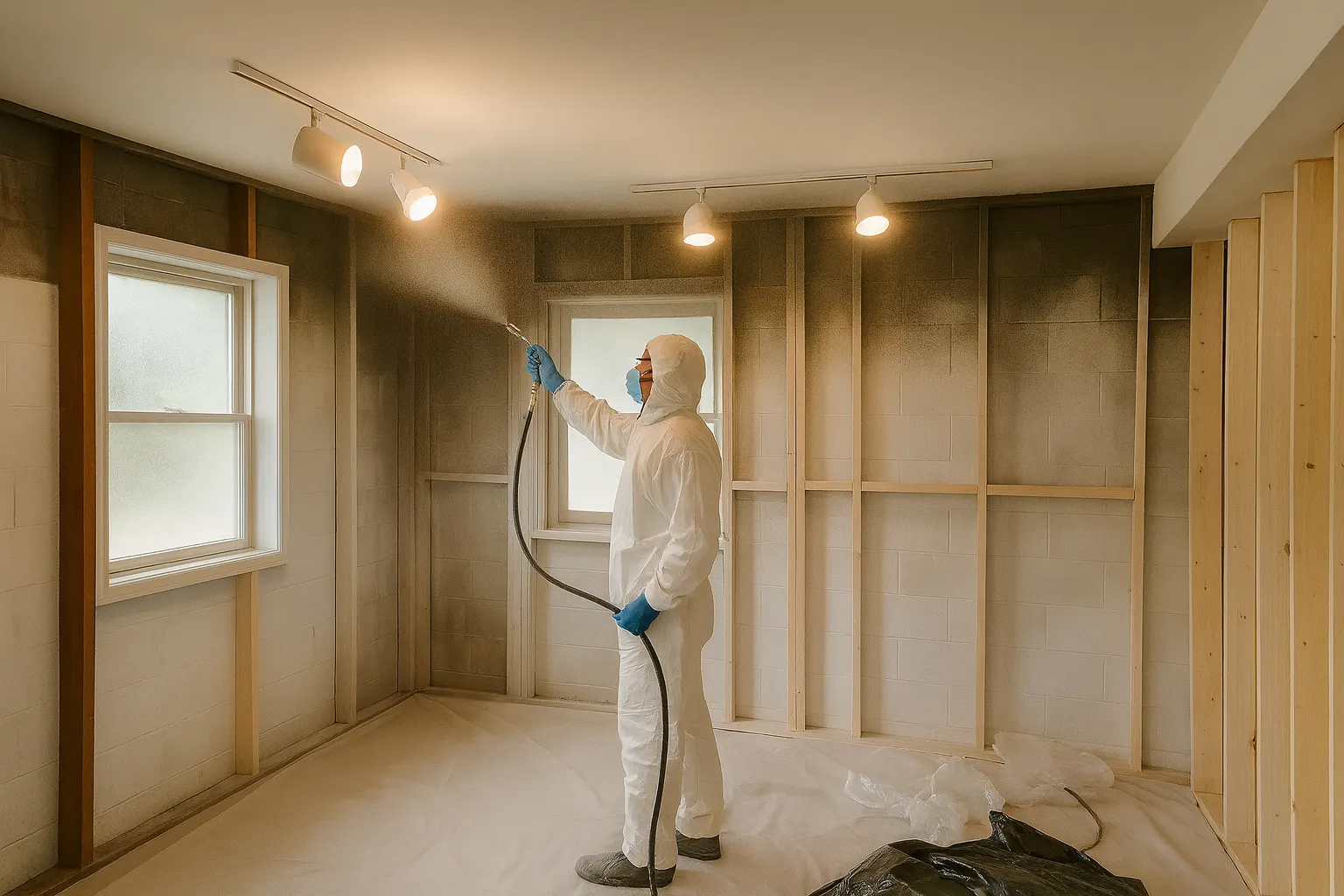
If you’re a New Jersey homeowner dealing with smoke damage from a kitchen grease fire or fireplace incident, you need fast action. We use dry-sponge methods and HEPA vacuums to lift soot without smearing it deeper into your drywall. This approach stops the black residue from bonding permanently to painted surfaces.
Older homes in Ramblewood and Larchmont present special challenges. Many have plaster walls that stain faster than modern drywall. Soot penetrates porous plaster within hours, making early professional treatment the difference between a simple cleaning and a full repaint.
Our technicians assess your wall and ceiling surfaces before choosing the right cleaning method. Dry soot lifts easily with chemical sponges. Wet or oily residue requires specialized degreasers. We protect your surfaces from permanent damage while removing every trace of soot.
Get Your Free Consultation
Soot Cleanup Restores Carpets and Furniture Without Replacement
Families dealing with smoke-damaged upholstery, drapes, and area rugs after furnace puffbacks often assume everything must be thrown away. Our specialized vacuums and ozone treatments remove embedded soot particles and smoke odor from most soft materials. You can save your furniture and textiles if we treat them quickly.
New Jersey’s humid summers create an urgent timeline. Untreated soot attracts moisture and mold within 48 hours during warm months. We extract soot particles from fabric fibers before humidity locks them in place. Early treatment prevents secondary damage that forces replacement.
We evaluate each item individually. Some materials are completely clean. Others show improvement but retain slight discoloration. Our team gives you honest assessments so you can make informed decisions about what to keep and what to replace.
Breathing Soot Particles After a Fire Requires Immediate Air Quality Control
If you re-entered your home too soon after a fire and now experience coughing or headaches, airborne soot is likely the cause. Our air scrubbers with HEPA filters capture airborne soot before it settles into your lungs or on clean surfaces. This protects your health during the cleanup process.
Soot particles remain suspended in air for days after a fire. Normal breathing circulates them throughout your home. We set up filtration systems that pull contaminated air through multiple filter stages. Clean air returns to the room while soot collects in disposable filters. The New Jersey Department of Environmental Protection provides guidance on air quality concerns from smoke and fire events.
New Jersey fire codes require air quality testing before reoccupancy in multi-family buildings. We conduct this testing and provide documentation for your records. You get clearance to return home safely once air quality meets state standards.
Complete Soot Removal Takes 2 to 5 Days Depending on Fire Size
New Jersey homeowners coordinating with insurance adjusters need realistic timeline estimates. Single-room fires clean up in 2 days when soot stays contained. Whole-house soot requires surface sealing and duct cleaning, extending the process to 5 days.
Winter heating-season fires create additional work. Soot travels through active HVAC systems during cold months. We must clean ductwork and replace filters to prevent recontamination. This adds 1 to 2 days to your cleanup timeline but prevents soot from recirculating after we finish.
We work in stages. Day one focuses on loose soot removal and air filtration. Days two through four address wet residue and deep cleaning. Final days include odor sealing and verification testing. You’ll know exactly what happens each day before we start.
Soot Residue Removal Prevents Long-Term Odor and Corrosion in New Jersey Homes
Property owners who notice lingering smoke smell weeks after DIY cleaning attempts still have soot residue present. Acidic soot continues damaging metal fixtures, electronics, and paint until we neutralize it professionally. The smell tells you active corrosion is happening.
Soot contains acids that eat away at surfaces over time. Light switches discolor. Door hinges corrode. Electronics malfunction months later. We apply neutralizing agents that stop this chemical process. Your home’s materials stay intact instead of degrading slowly.
Homes near Route 73 already face higher particulate exposure from traffic. Thorough soot removal becomes even more important in these areas. We clean to standards that account for your existing air quality challenges. You get a truly clean baseline to protect your family’s health. Our comprehensive fire damage restoration in New Jersey includes complete odor elimination and surface restoration.
What is the best way to clean soot from a house after a fire in New Jersey?
- Ventilate the home but avoid spreading soot with fans
- Wear N95 masks and gloves before touching any surfaces
- Vacuum loose soot with a HEPA filter vacuum (do not wipe yet)
- Use dry-sponge techniques on walls and ceilings to lift soot
- Apply degreasing cleaner to oily residue in kitchens
- Seal surfaces with odor-blocking primer after cleaning
- Call a restoration team if soot entered HVAC ducts or insulation
Get Your Free Consultation
- 5.0 rating on Google
- Serving New Jersey with Honesty & Integrity
- Licensed, Insured and Bonded
- 5.0 rating on Google
- Serving New Jersey with Honesty & Integrity
- Licensed, Insured and Bonded
Frequently Asked Questions
How long does soot cleanup take after a house fire in New Jersey?
Is soot dangerous to breathe in after a fire in your home?
Yes, soot contains carbon particles and toxins that irritate lungs and require HEPA filtration before re-entry. Breathing soot causes coughing, headaches, and respiratory problems. Professional air scrubbing protects your health during cleanup.
Can soot damage be removed from carpets and furniture in New Jersey homes?
How do professionals remove soot from walls and ceilings after a fire?
What should I do first after discovering soot damage in my New Jersey home?
Your Local Soot removal Experts in New Jersey
Serving New Jersey homeowners and businesses since 2003 with complete environmental services.
Proudly serving Ramblewood, Larchmont, Hartford, Birchfield, and all of New Jersey – plus Moorestown, Marlton, and Cherry Hill.